Photo: Biswarup Ganguly / Wikimedia Commons, CC BY 3.0

Basmati Rice
The perfumed long-grain rice of the Indo-Gangetic plain — a GI spanning seven states below the Himalayas.
| GI number | GI-145 |
|---|---|
| Registered | |
| Goods class | 30 |
| Proprietor | APEDA |
| State | Uttar Pradesh |
The story
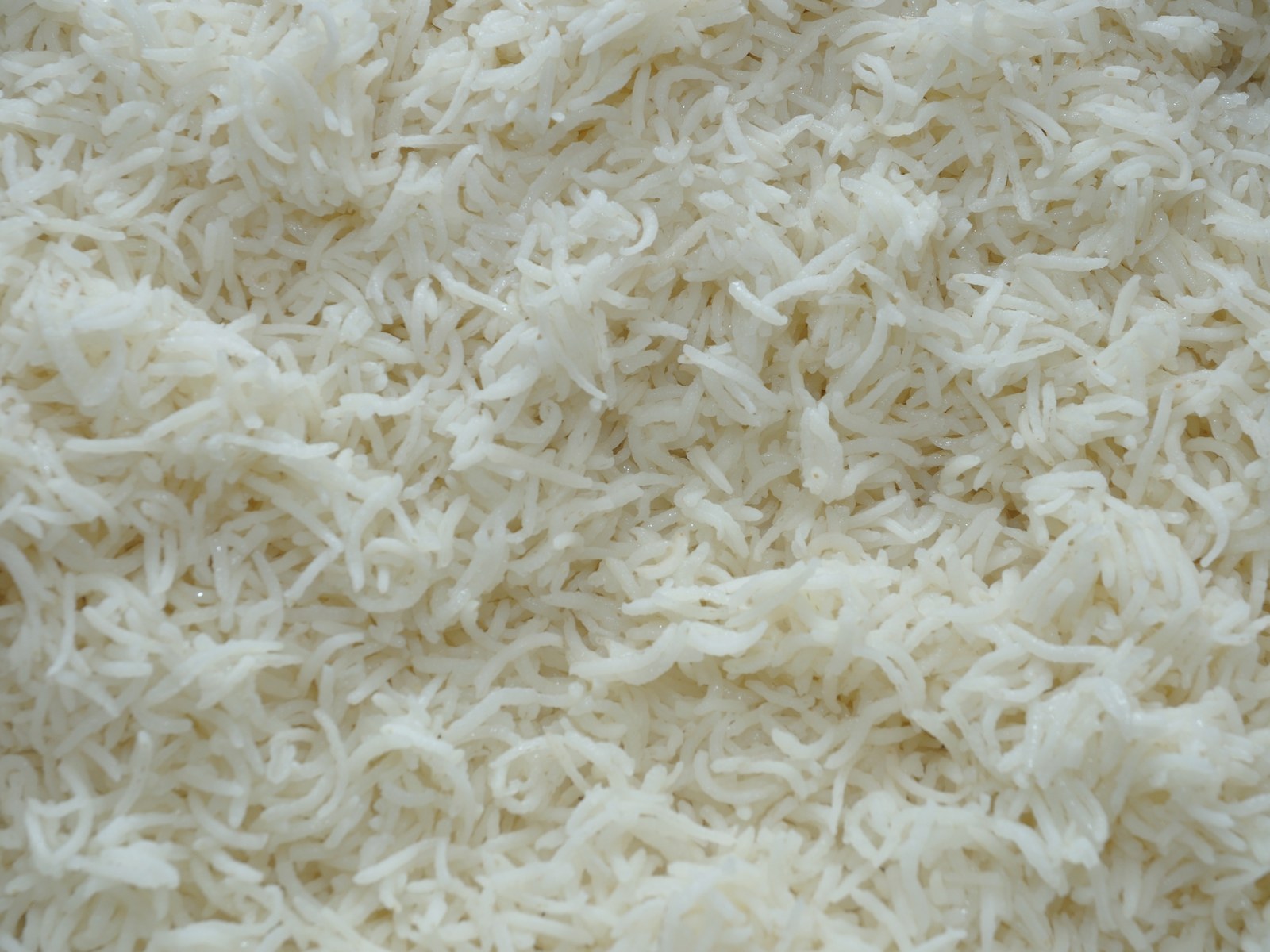
Basmati is India's most economically consequential GI — a multi-state registration covering the Indo-Gangetic plain across Punjab, Haryana, HP, Uttarakhand, western UP, Delhi and parts of J&K. The grain's nose (2-acetyl-1-pyrroline), its post-cooking elongation to nearly twice its length, and centuries of documented cultivation below the Himalayas underpin one of the world's most fought-over food names.
How it is made
- Grown only in notified districts of the Indo-Gangetic plain.
- Transplanted paddy, harvested when grains turn golden.
- Aged 6 months to 2 years — ageing deepens aroma and elongation.
- Milled gently to preserve the long, tapering grain.
◈ How to identify the authentic Basmati Rice
What to check
- Grains elongate ~1.8–2x on cooking, stay separate, never sticky.
- Distinct pandan-like aroma before and after cooking.
- APEDA-registered brands with notified-area sourcing.
- Extra-long slender grain, 6.61mm+ before cooking.
Where to buy
Authorised producers for this recent registration are not yet listed in our dataset. Check the GI Journal entry for authorised users, and prefer government emporia and cooperatives in Uttar Pradesh.
Registry record
Registry record: GI-145 · Registered 2016 · Proprietor: APEDA
Region and market
Basmati is India's most important rice export, grown across seven states in the Indo-Gangetic plain. Traditional varieties such as Pusa Basmati 1121 and Basmati 370 differ in length and aroma, and ageing the rice for several months intensifies both. The quality of a batch depends on the variety, moisture level and milling. Adulteration with non-basmati long-grain rice has been a persistent issue, which the GI and standards agencies try to control.
Buying guide
Buy from reputable brands that state the variety, age and origin, and check the grain length and slenderness before cooking. Good basmati has a nutty aroma, lengthens up to about twice its size when cooked and stays separate. Rinse and soak for about half an hour before cooking, and store in a sealed container in a cool, dry place to preserve fragrance.
Storage and cooking notes
Rinse basmati until the water runs almost clear, soak it for about half an hour and cook it with a little less water than ordinary rice so the grains stay separate. Aged rice is drier and needs slightly more water than new crop. Store it in an airtight container in a cool, dry place, and buy smaller packs if you cook infrequently, since the aroma gradually fades over many months.
Frequently asked questions
What is the GI registration number of Basmati Rice?
This catalogue lists Basmati Rice as GI-145. Registration numbers should be confirmed against the official GI Journal before commercial use.
Where is Basmati Rice made?
Basmati Rice is produced in Uttar Pradesh, in the agricultural category of this catalogue.
Can Basmati Rice legally be made outside Uttar Pradesh?
No. GI protection means only producers within the notified region of Uttar Pradesh may legally sell goods under the name “Basmati Rice”.
How can I tell if my Basmati Rice is authentic?
Check the registered proprietor against the official registry, buy from authorised producer cooperatives, and use the identification checklist on this page.
From Uttar Pradesh and the agricultural family
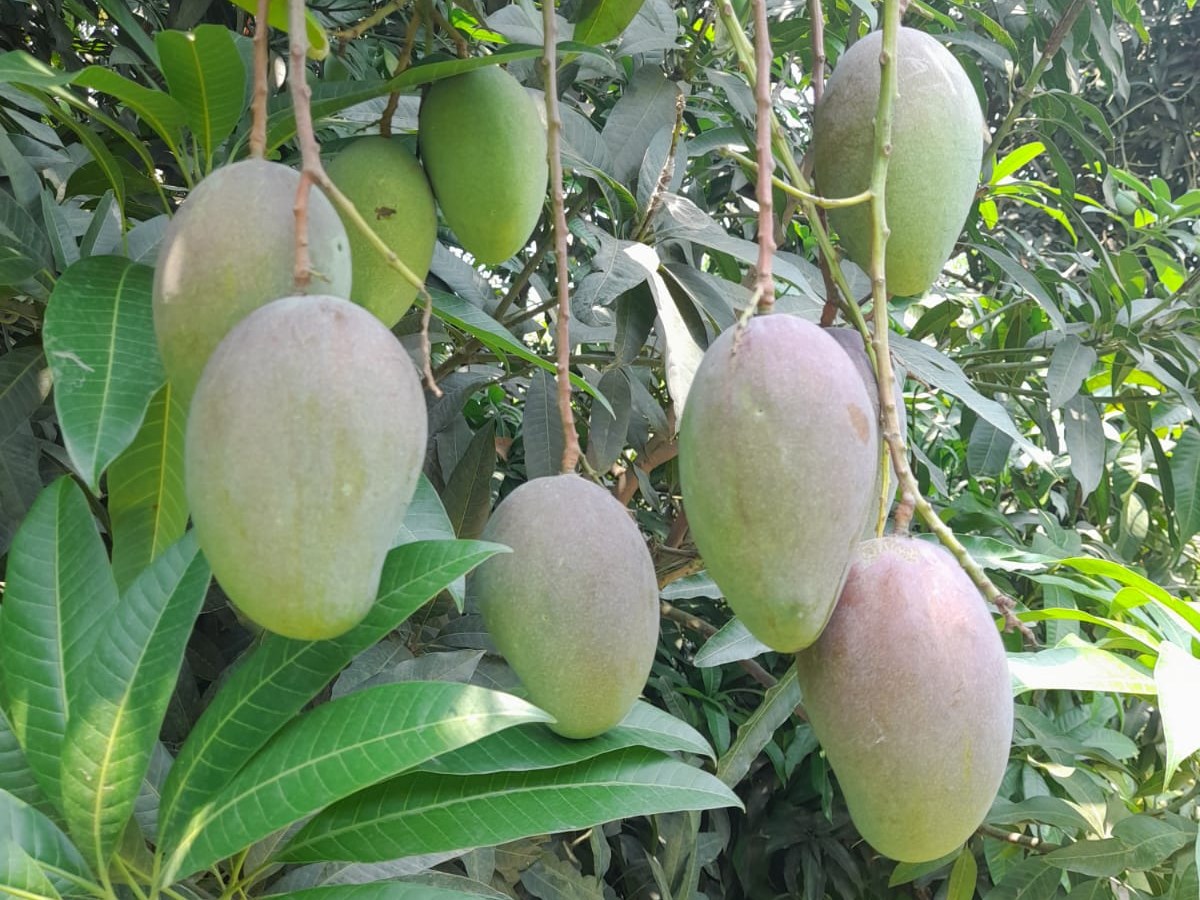 Photo: Nazimullah Kaleemullah Khan / CC BY-SA
Malihabadi Dusseheri Mango
Uttar Pradesh · ₹80 - ₹200 per kg
Alphonso Mango
Maharashtra · ₹500 - ₹1,500/dozen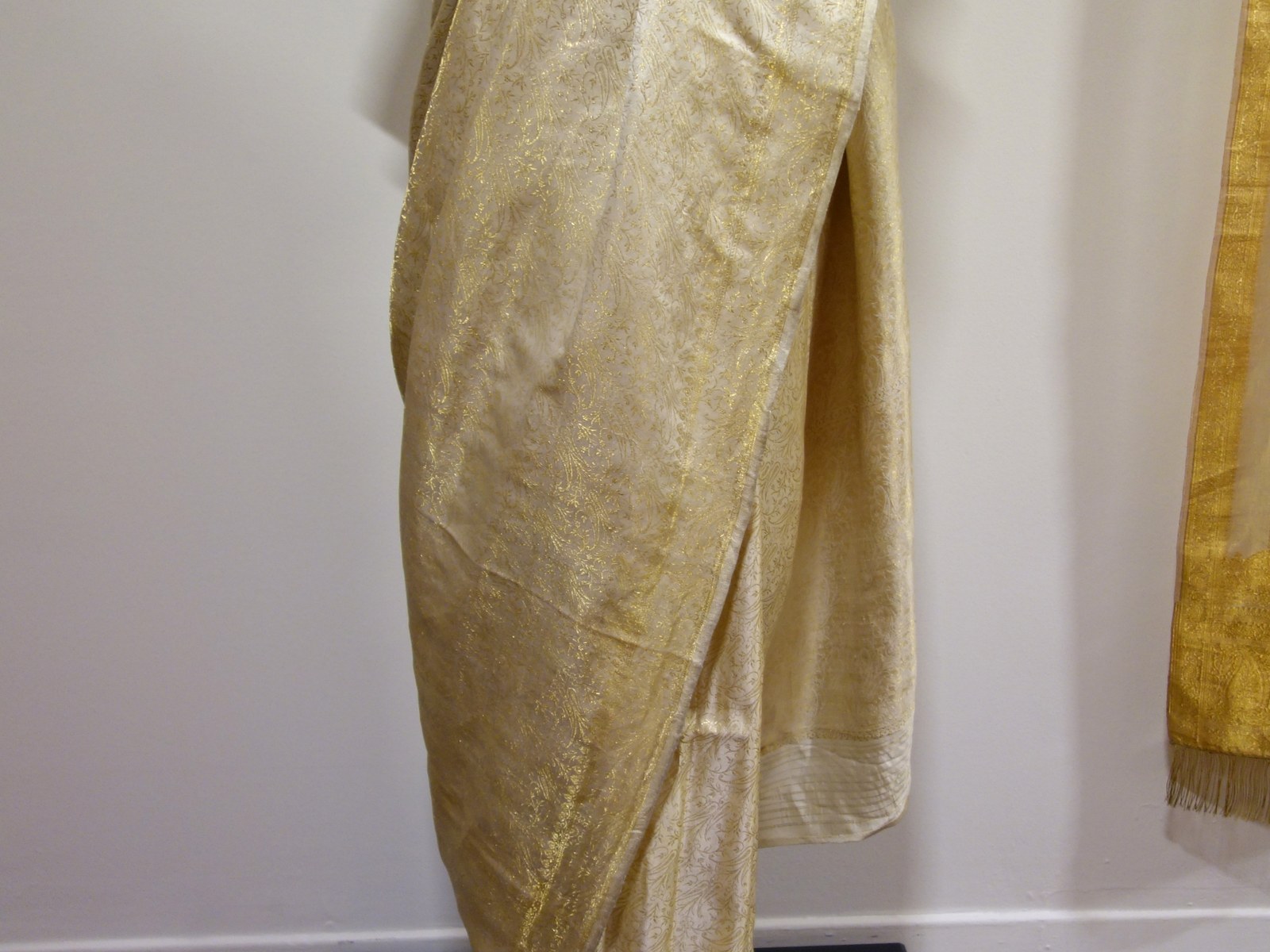 Photo: Daderot / CC BY-SA
Banarasi Saree
Uttar Pradesh · ₹5,000 - ₹2,00,000 Photo: Dcrjsr / CC BY-SA