Madurkathi Mats
| GI number | GI-33 |
|---|---|
| Typical price | ₹500 - ₹5,000 |
| Verified cooperatives | Midnapore Madur Artisans Cooperative Society |
| State | West Bengal |
About Madurkathi Mats
Madurkathi Mats are handwoven mats made from madur, a reed that grows in the wet lowlands of West Bengal, especially around Medinipur. The mats are cool underfoot, flexible and durable, and they are used as floor coverings, prayer mats, wall hangings and, increasingly, in modern decor products. Their natural fibre look and simple patterns make them a favourite for eco-friendly homes.
Heritage and place
Mat weaving is part of village life in parts of Medinipur, where families combine farming with craft. For many households, especially women, mat making provides extra income. The GI recognises Madurkathi as a regional craft, and it helps protect it from cheap synthetic mats and machine-woven copies that use plastic fibres.
How it is made
The reeds are harvested, split, dried and sometimes dyed with natural or chemical colours. Weavers then interlace the strips on a simple loom or by hand, creating plain or patterned designs. Fine mats need finer strips and longer weaving time, and the best ones can be rolled up without cracking because the reeds were properly prepared and moistened while being woven.
Registry record
Madurkathi Mats is listed in this catalogue as GI-33, a Geographical Indication tagged product of West Bengal in the handicrafts category. The name is legally protected: only producers within the notified region may sell under it. Confirm the entry in the official GI Journal before relying on it commercially.
◈ How to spot a fake Madurkathi Mats
What to check
Pick a mat that is flexible and even, with tightly packed weaving and no stray, brittle strips. Real reed mats have a natural, grassy smell and feel slightly cool; plastic imitations feel slick. Roll a corner gently to check it does not crack. Buy from craft cooperatives, state emporia and artisan groups, and keep the mat dry and out of prolonged sun to extend its life.
- Natural sedge-grass handwoven meticulously with cotton threads; synthetic copies use plastic strips that cause heavy heat retention.
Price to expect
Genuine Madurkathi Mats typically sells in the range of ₹500 - ₹5,000. Prices far below that range are a common sign of an imitation.
Where to buy
Look for authorised sellers such as Midnapore Madur Artisans Cooperative Society, or government emporia and cooperatives in West Bengal.
Catalogue record
Catalogue record: GI-33 · West Bengal · reviewed
Frequently asked questions
What is the GI registration number of Madurkathi Mats?
This catalogue lists Madurkathi Mats as GI-33. Registration numbers should be confirmed against the official GI Journal before commercial use.
Where is Madurkathi Mats made?
Madurkathi Mats is produced in West Bengal, in the handicrafts category of this catalogue.
Can Madurkathi Mats legally be made outside West Bengal?
No. GI protection means only producers within the notified region of West Bengal may legally sell goods under the name “Madurkathi Mats”.
What does genuine Madurkathi Mats cost?
Genuine Madurkathi Mats typically sells in the range of ₹500 - ₹5,000. Prices far below this range are a common sign of an imitation.
How can I spot a fake Madurkathi Mats?
Natural sedge-grass handwoven meticulously with cotton threads; synthetic copies use plastic strips that cause heavy heat retention.
Where should I buy genuine Madurkathi Mats?
Look for authorised sellers such as Midnapore Madur Artisans Cooperative Society, or government emporia and cooperatives in West Bengal.
From West Bengal and the handicrafts family
Balagarh Boat
West Bengal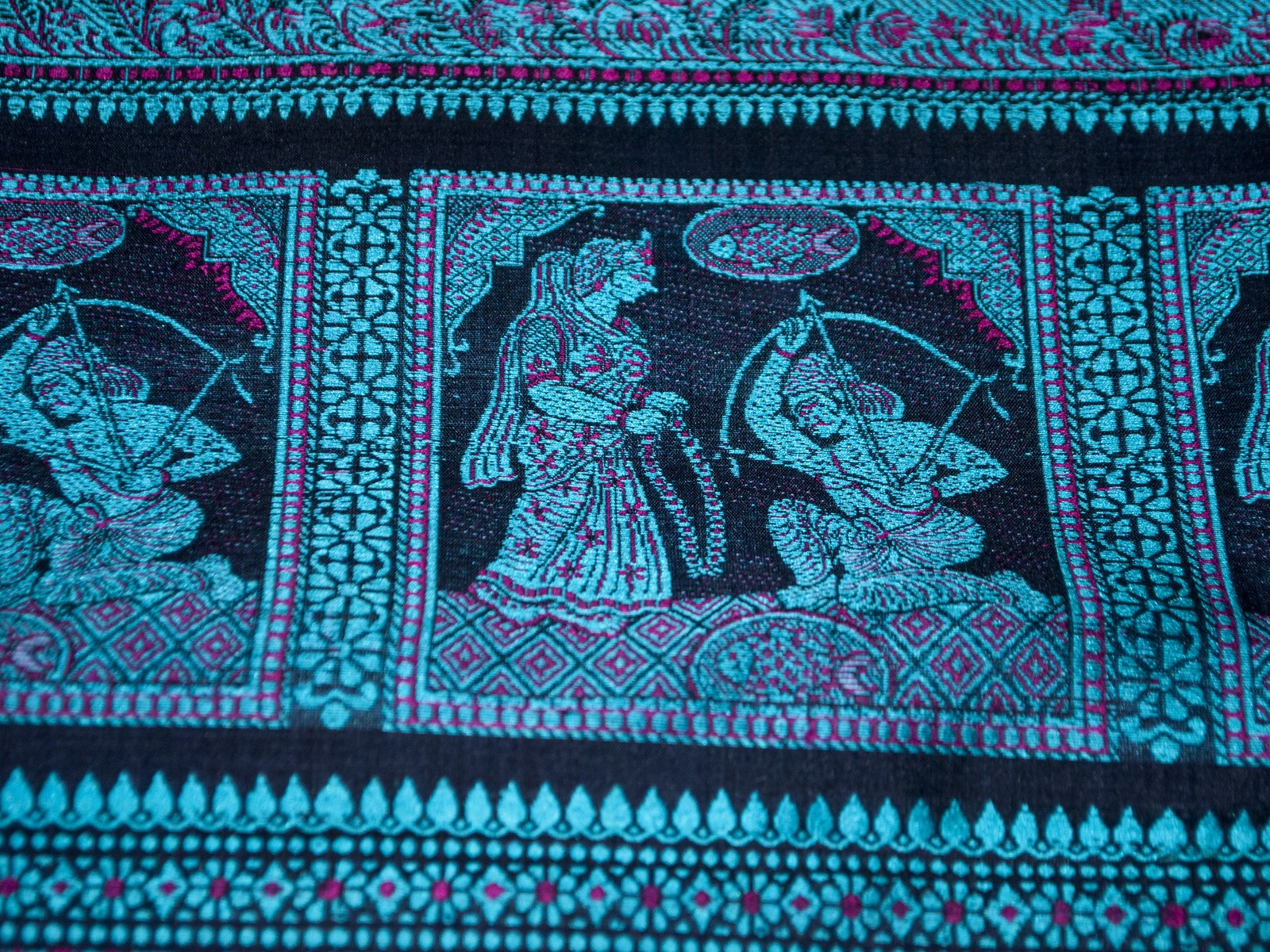 Photo: Atudu / CC BY-SA
Baluchari Saree
West Bengal · ₹7,000 - ₹50,000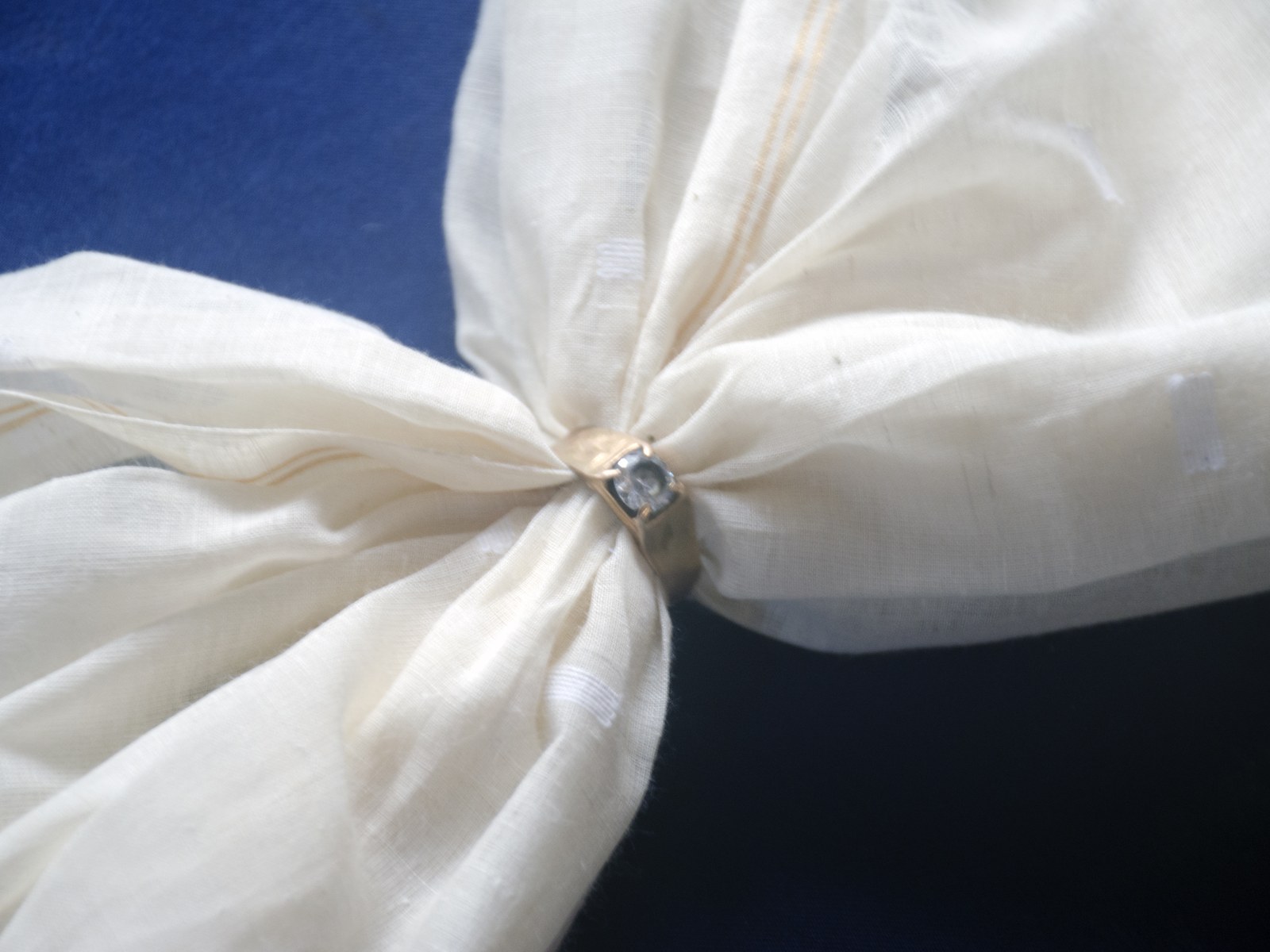 Photo: Rangan Datta Wiki / CC BY-SA
Banglar Muslin
West Bengal · ₹20,000 - ₹5,00,000