Every place in India makes something no other place can.
GITagRegistry documents India's Geographical Indication tagged products — teas, silks, toys, spirits and spices legally tied to the land that makes them — with official registry facts on every page.
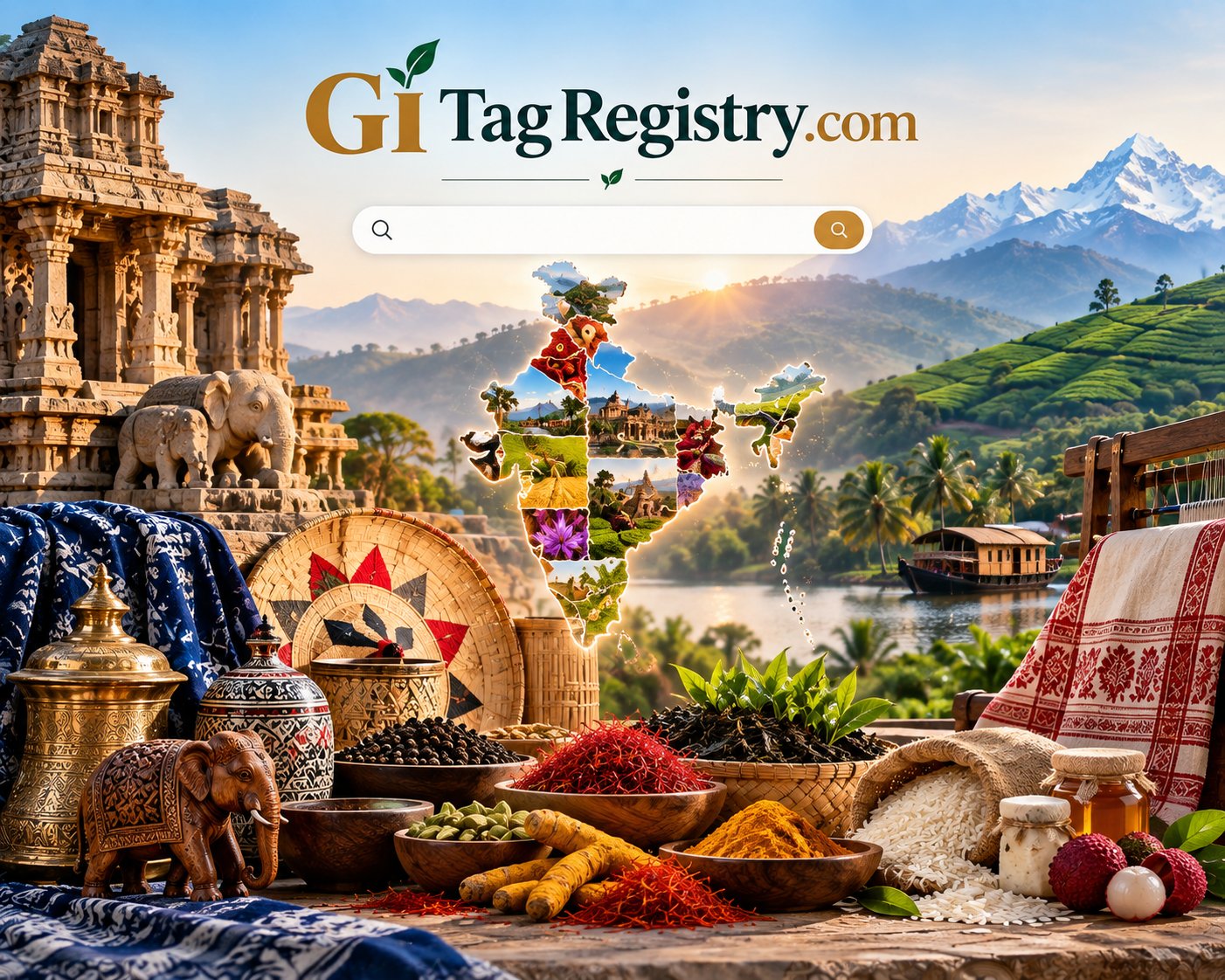
Icons of the registry
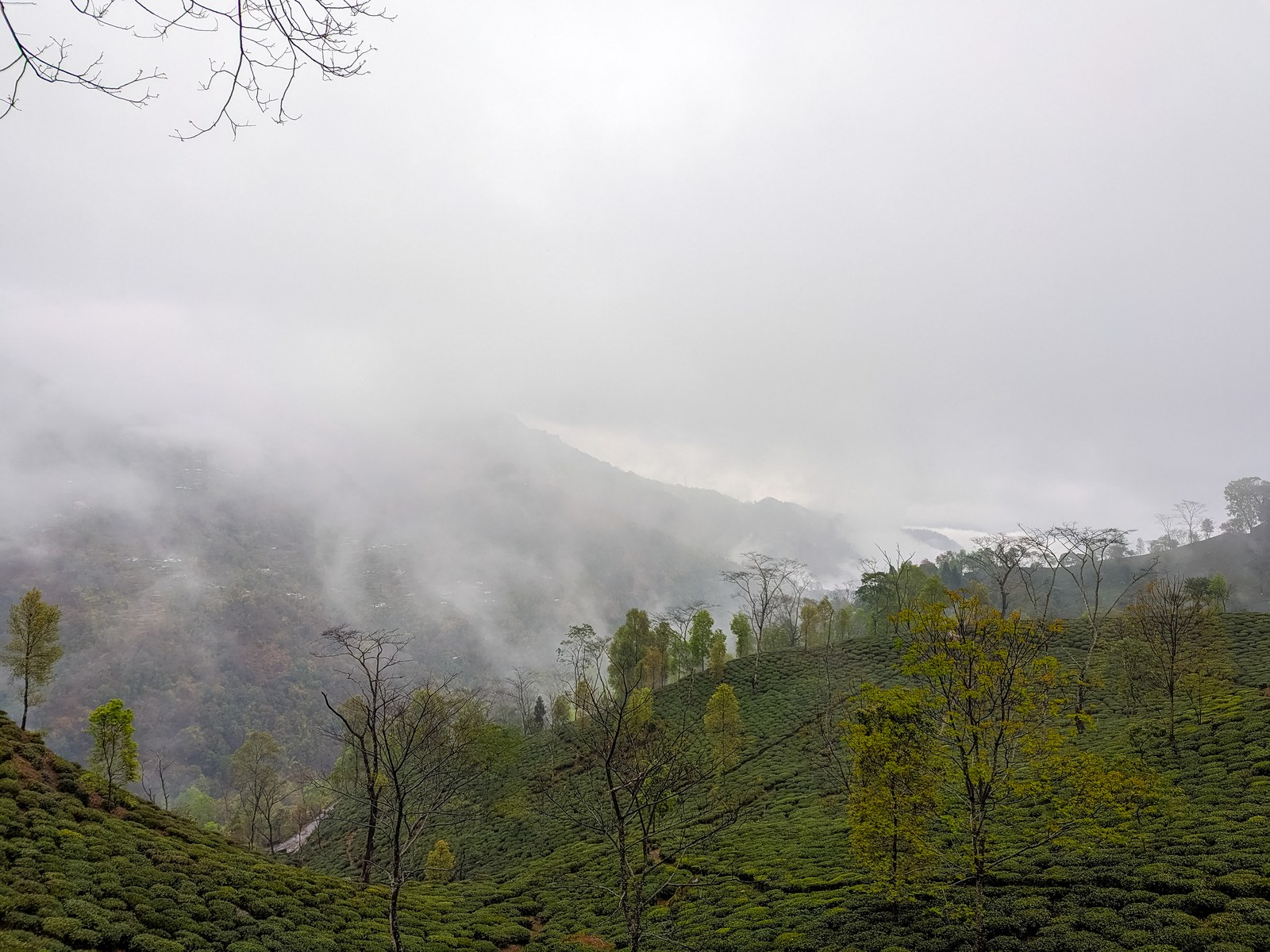 Photo: Sourabh.biswas003 / CC BY-SA
Darjeeling Tea
West Bengal · ₹800 - ₹5,000 per kg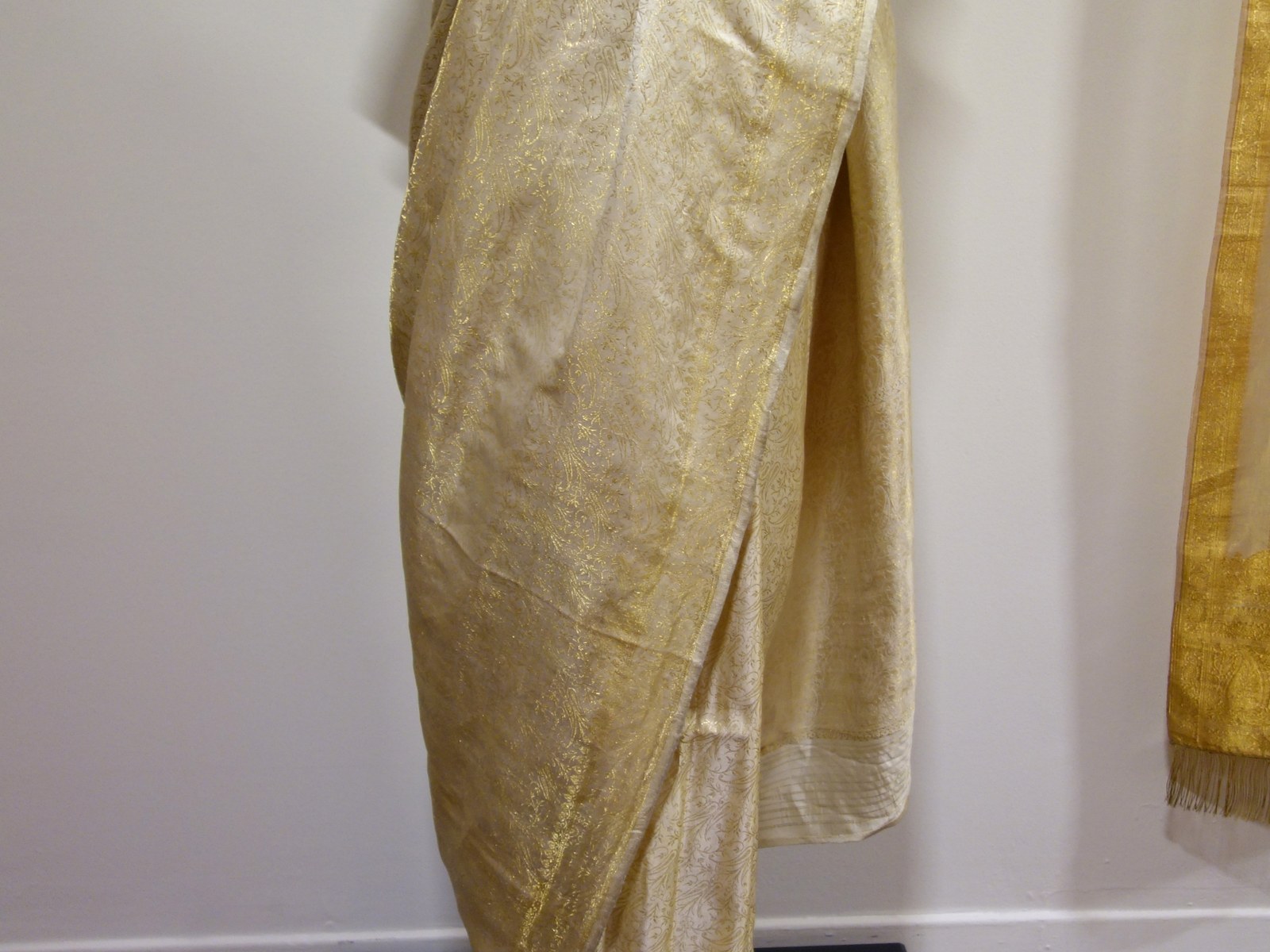 Photo: Daderot / CC BY-SA
Banarasi Saree
Uttar Pradesh · ₹5,000 - ₹2,00,000
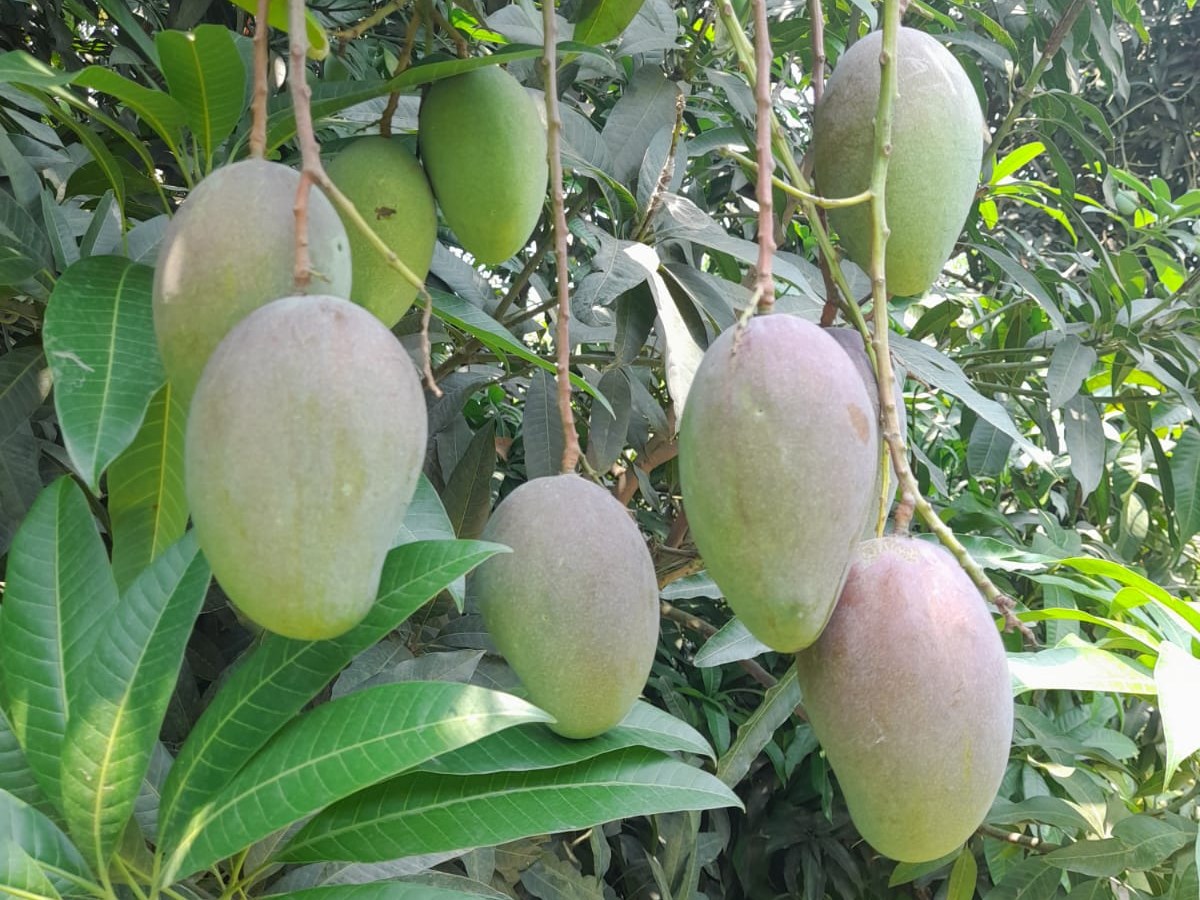
Alphonso Mango
Maharashtra · ₹500 - ₹1,500/dozen Photo: MaximusPrasad / CC BY-SA
Channapatna Toys
Karnataka · ₹150 - ₹3,000
Mysore Silk
Karnataka · ₹12,000 - ₹1,50,000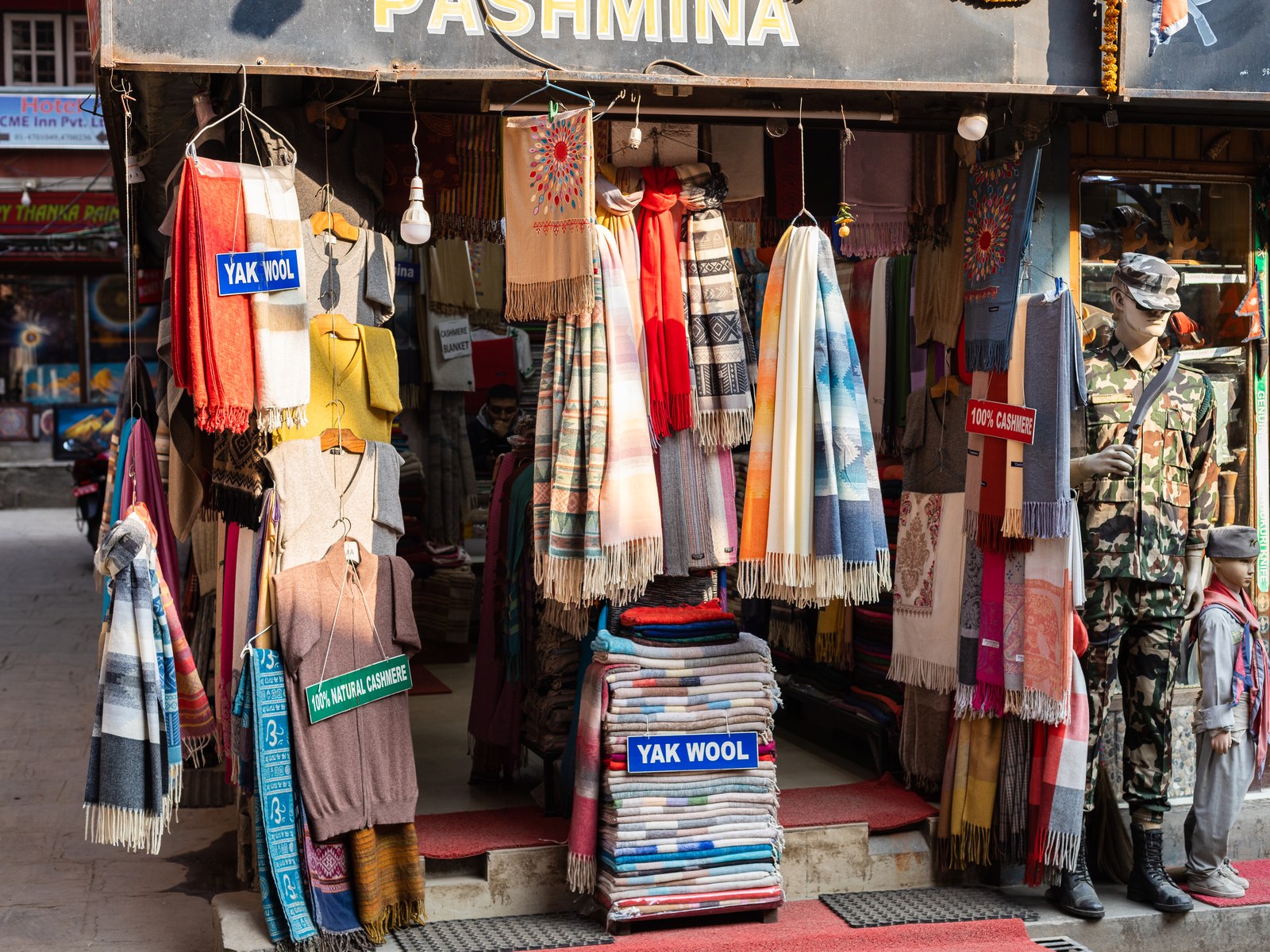 Photo: Bijay Chaurasia / CC BY-SA
Kashmir Pashmina
Jammu & Kashmir · ₹10,000 - ₹1,00,000+
Madhubani Painting
Bihar · ₹500 - ₹50,000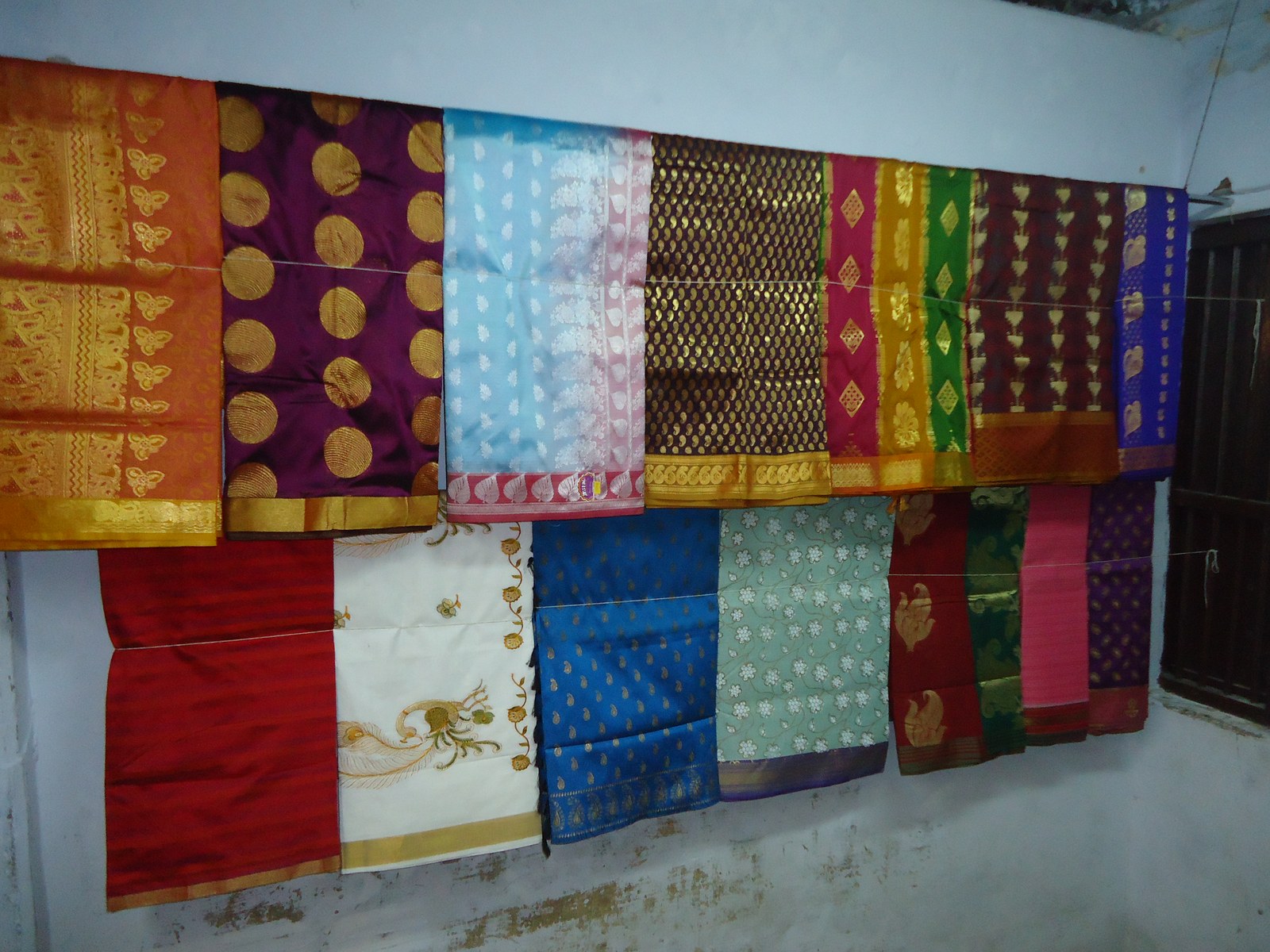 Photo: రహ్మానుద్దీన్ / CC BY-SA
Kanchipuram Silk Saree
Tamil Nadu · ₹8,000 - ₹3,00,000Browse by kind of goods
See all 86 products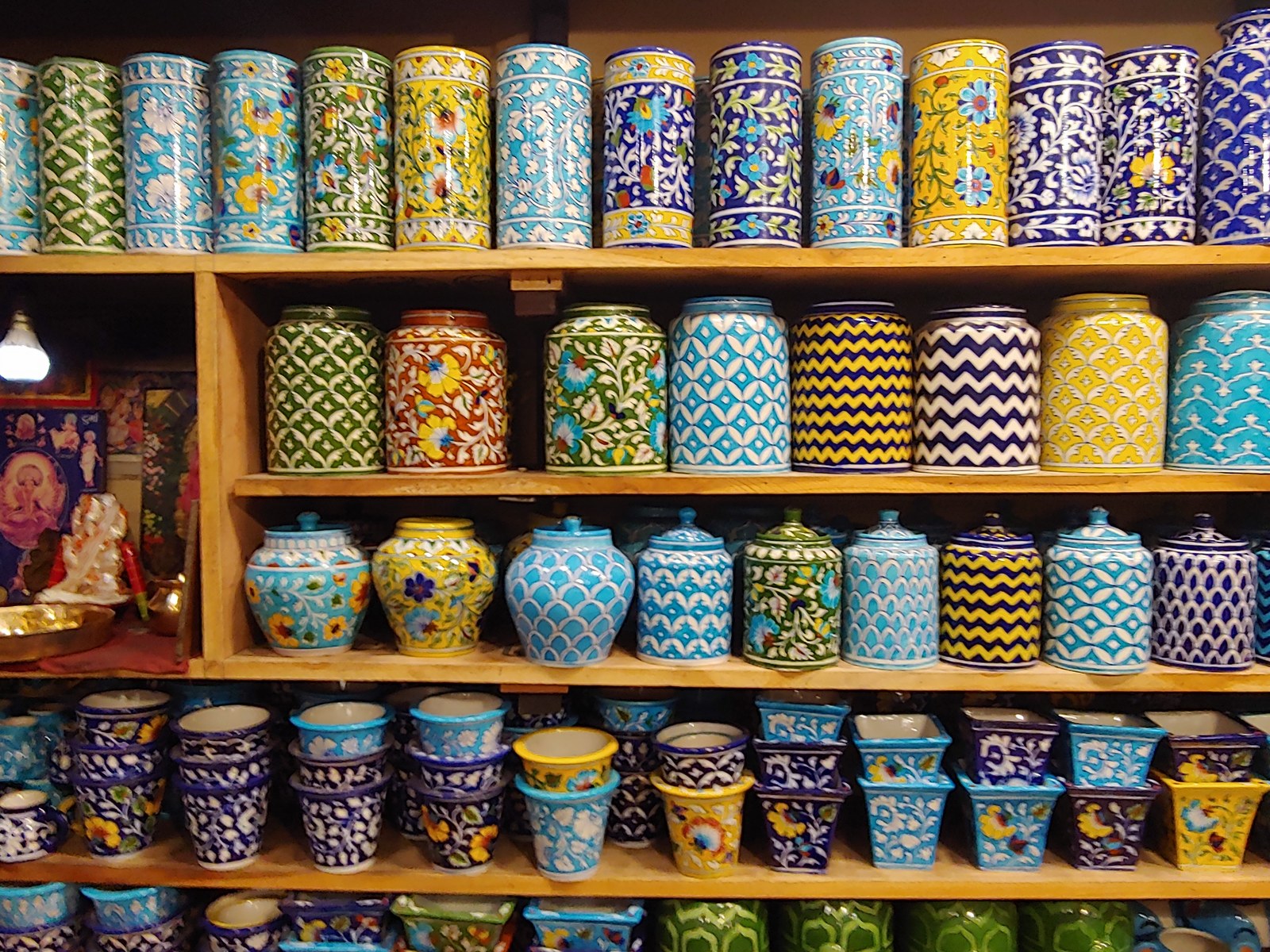
A GI tag is a promise with a place attached.
A Geographical Indication legally links a product's name to its home ground. Only makers from that region may use the name — protecting artisans from imitation, and protecting buyers from paying authentic prices for counterfeit goods.
How GI registration works| Legal basis | GI Act, 1999 (in force 2003) |
|---|---|
| Registry | GI Registry, Chennai |
| Validity | 10 years, renewable indefinitely |
| First registered GI | Darjeeling Tea · 2004 |
What is a GI product, and why does it matter?
A Geographical Indication, or GI, is a legal tag that tells you a product genuinely comes from a specific place and owes its qualities to that place. Well-known examples include Darjeeling tea, Banarasi saris, Alphonso mangoes and Channapatna toys.
Who grants a GI in India
In India, GIs are granted under the Geographical Indications of Goods (Registration and Protection) Act, 1999, and recorded by the GI Registry in Chennai.
What a GI means for buyers
The tag protects makers from imitation and gives buyers a clear signal of origin. It is not a guarantee that every item is perfect, so the practical checks on each product page still matter.
How to use GITagRegistry
This site is organised so that you can approach it in whichever way suits you.
Search or browse by product
If you know the product, use the search box or the product listing. The listing can be filtered by category and by state.
Explore by state
If you are curious about a region, the states section groups products by geography and region, and each state page describes the local craft and food traditions.
Check before you buy
If you are checking whether something is real, every product page has an authenticity guide and a note on where to buy from genuine sources. Each product entry combines the registered name and state, the category, and practical advice on identification, pricing and buying. Where we do not yet have verified details, such as for recently registered products, we say so instead of guessing. We also recommend confirming registration details in the official GI Journal before making commercial decisions, because registers change over time.
Buying authentic Indian products
Counterfeits are common for well-known Indian products, especially silk, saffron, tea and handicrafts. A few habits reduce the risk: buy from cooperatives, government emporia and established sellers; look for handloom, Silk Mark and GI labels; check the reverse of textiles and the weight of metal and stone items; and be careful when the price is far below normal. These principles apply across categories, and each product page explains the specific signs for that item.