Agra Petha
| GI number | GI-3 |
|---|---|
| Typical price | ₹150 - ₹400 per kg |
| Verified cooperatives | Agra Halwai Association Certified Vendors |
| State | Uttar Pradesh |
About Agra Petha
Agra Petha is a translucent, sugar-soaked sweet made from ash gourd, the pale vegetable also called white pumpkin or winter melon. It is sold as dry petha, which has a crisp sugar crust, and wet petha, such as angoori (grape-sized pieces in syrup). Flavours include plain, kesar, paan and coconut. The sweet is so tied to Agra that many visitors buy a box on the way out after seeing the Taj Mahal.
Heritage and place
Local lore credits the Mughal era, with one popular story tying petha to the kitchens that fed the artisans building the Taj Mahal. Whatever the origin, Agra's petha makers, concentrated in the old lanes around Noori Darwaza and Pathwari, turned it into a household name across north India. The GI recognises Agra as the home of the product and discourages generic petha from being marketed under the city's name.
How it is made
Ash gourd is peeled, cut into pieces and pricked all over so syrup can enter. The pieces are soaked in lime water (a food-grade calcium hydroxide solution) to firm them, rinsed thoroughly, then boiled until soft. They are finally cooked in sugar syrup, and for dry petha the syrup is allowed to crystallise on the surface. Flavours and colours are added at this last stage, so the base process is the same for every variety.
Registry record
Agra Petha is listed in this catalogue as GI-3, a Geographical Indication tagged product of Uttar Pradesh in the food stuff category. The name is legally protected: only producers within the notified region may sell under it. Confirm the entry in the official GI Journal before relying on it commercially.
◈ How to spot a fake Agra Petha
What to check
Freshness decides quality. Wet petha keeps only for a short period, so check the packing date and buy from shops that turn stock quickly. Good petha is firm but yields to a bite, with clean sweetness rather than a chemical or overly artificial aftertaste. Be wary of unusually bright colours. If you are travelling, choose dry petha, which lasts longer, and buy from established Agra sweet houses rather than roadside stalls with unlabelled packs.
- Authentic Agra pethas are translucent, naturally crisp on the outside, soft inside, made of premium ash gourd; local variants are overly chemical-whitened.
Price to expect
Genuine Agra Petha typically sells in the range of ₹150 - ₹400 per kg. Prices far below that range are a common sign of an imitation.
Where to buy
Look for authorised sellers such as Agra Halwai Association Certified Vendors, or government emporia and cooperatives in Uttar Pradesh.
Catalogue record
Catalogue record: GI-3 · Uttar Pradesh · reviewed
Frequently asked questions
What is the GI registration number of Agra Petha?
This catalogue lists Agra Petha as GI-3. Registration numbers should be confirmed against the official GI Journal before commercial use.
Where is Agra Petha made?
Agra Petha is produced in Uttar Pradesh, in the food stuff category of this catalogue.
Can Agra Petha legally be made outside Uttar Pradesh?
No. GI protection means only producers within the notified region of Uttar Pradesh may legally sell goods under the name “Agra Petha”.
What does genuine Agra Petha cost?
Genuine Agra Petha typically sells in the range of ₹150 - ₹400 per kg. Prices far below this range are a common sign of an imitation.
How can I spot a fake Agra Petha?
Authentic Agra pethas are translucent, naturally crisp on the outside, soft inside, made of premium ash gourd; local variants are overly chemical-whitened.
Where should I buy genuine Agra Petha?
Look for authorised sellers such as Agra Halwai Association Certified Vendors, or government emporia and cooperatives in Uttar Pradesh.
From Uttar Pradesh and the food stuff family
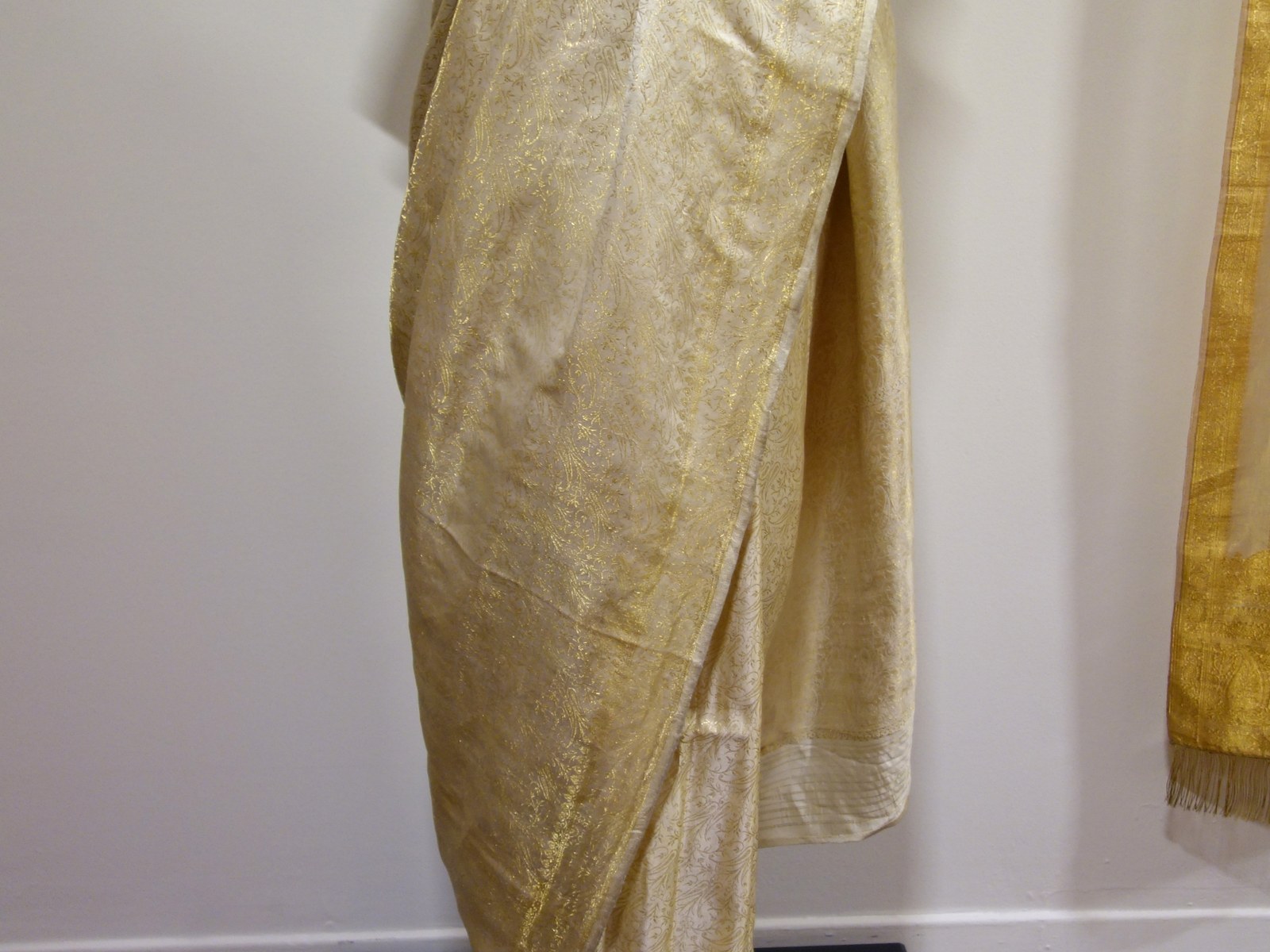 Photo: Daderot / CC BY-SA
Banarasi Saree
Uttar Pradesh · ₹5,000 - ₹2,00,000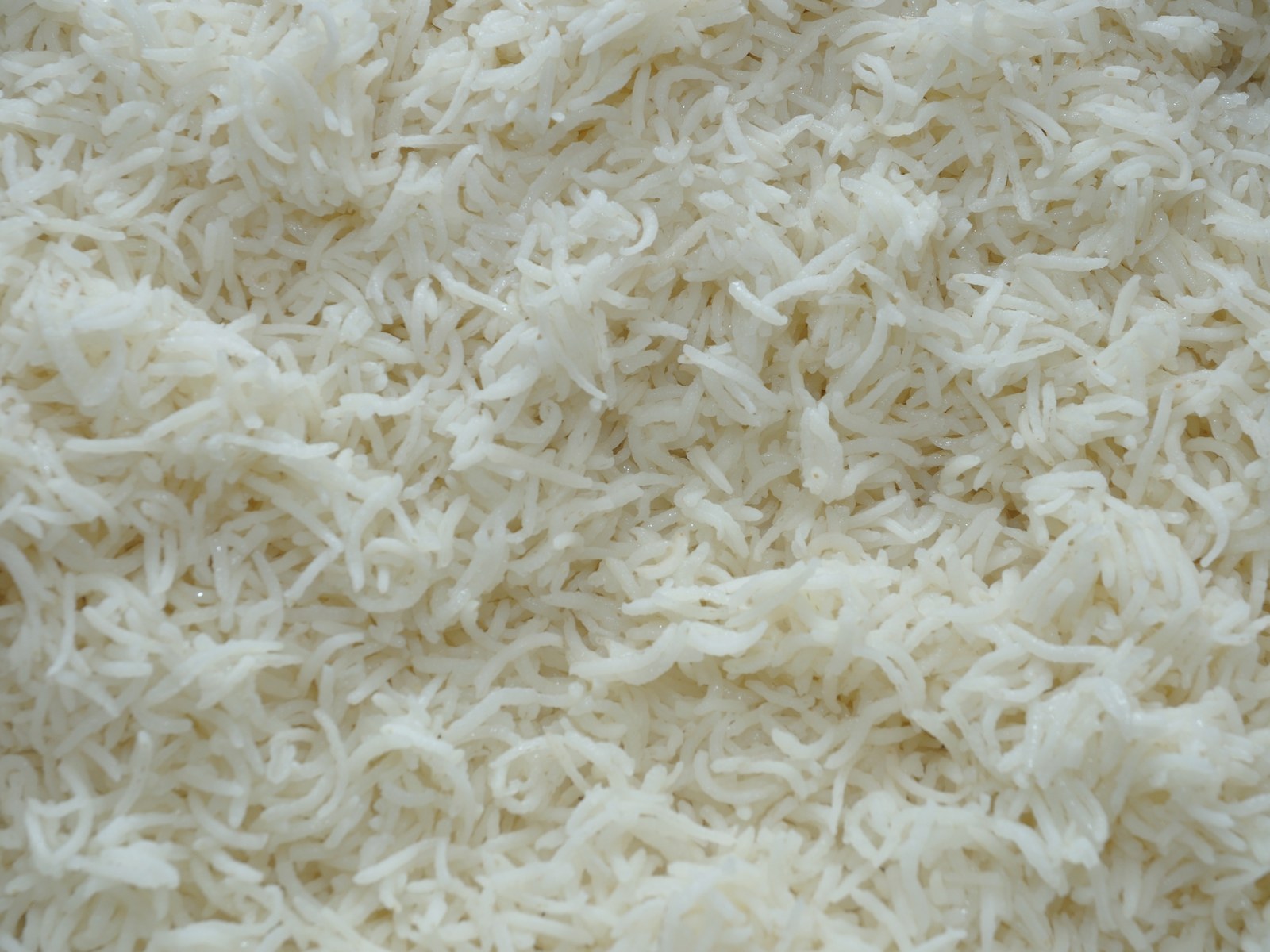 Photo: Biswarup Ganguly / CC BY-SA
Basmati Rice
Uttar Pradesh Photo: V Bhavya / CC BY-SA
Tirupati Laddu
Andhra Pradesh