Alphonso Mango
The 'Hapus' of the Konkan coast — saffron-fleshed, fiberless, and arguably the world's most coveted mango.
| GI number | GI-41 |
|---|---|
| Registered | |
| Goods class | 31 |
| Typical price | ₹500 - ₹1,500/dozen |
| Proprietor | Konkan Hapus Amba Utpadak Sangh |
| State | Maharashtra |
The story
Grown on the laterite plateaus of Ratnagiri, Sindhudurg and the Konkan coast, the Alphonso ripens to a saffron flesh with no fibre and a perfume that fills a room. The 2018 GI registration ended a long fight: mangoes from far outside Konkan were being crated and sold as 'Ratnagiri Hapus' in every Indian metro.
How it is made
- Grafted orchards on laterite soil within the notified Konkan talukas.
- Harvested at 'shoulder maturity', never tree-ripened, to survive transport.
- Ripened naturally in haystack layers (adi) — never with calcium carbide.
- Graded by size and blemish; packed stem-down in cushioned crates.
◈ How to identify the authentic Alphonso Mango
What to check
- Skin turns uniform golden-yellow with a red blush at the shoulder; aroma is unmistakable.
- Flesh is saffron, fibreless; the seed is thin and small.
- Season runs April–June; 'Alphonso' in August is not Konkan Hapus.
- Look for GI-tagged crates from registered Konkan grower societies.
Authentic Devgad/Ratnagiri mangoes omit a natural sweet aroma even when green. Yield to gentle thumb pressure evenly when ripe.
Price to expect
Genuine Alphonso Mango typically sells in the range of ₹500 - ₹1,500/dozen. Prices far below that range are a common sign of an imitation.
Where to buy
Look for authorised sellers such as Konkan Alphonso Mango Producers Organisation, or government emporia and cooperatives in Maharashtra.
Registry record
Registry record: GI-41 · Registered 2018 · Proprietor: Konkan Hapus Amba Utpadak Sangh
Region and market
Alphonso, called Hapus in Marathi, is the flagship export mango of western India, grown mainly in Ratnagiri, Sindhudurg and Devgad and also around Raigad. Exporters send fruit to the Gulf, Europe and the United States after strict quality and treatment checks. The season is short, peaking between April and May, and the fruit's small size and thin skin make careful packing essential to avoid bruising in transit.
Buying guide
Buy in season directly from grower cooperatives or trusted sellers who name the taluka and packing date, and check that the box is properly labelled. The fruit should smell sweet at the stalk, give slightly and show golden-yellow skin with a light blush, not chemical-looking uniformity. Avoid mangoes sold far outside the season, and never ripen with carbide. Refrigerate ripe fruit and eat within a few days.
Frequently asked questions
What is the GI registration number of Alphonso Mango?
This catalogue lists Alphonso Mango as GI-41. Registration numbers should be confirmed against the official GI Journal before commercial use.
Where is Alphonso Mango made?
Alphonso Mango is produced in Maharashtra, in the agricultural category of this catalogue.
Can Alphonso Mango legally be made outside Maharashtra?
No. GI protection means only producers within the notified region of Maharashtra may legally sell goods under the name “Alphonso Mango”.
What does genuine Alphonso Mango cost?
Genuine Alphonso Mango typically sells in the range of ₹500 - ₹1,500/dozen. Prices far below this range are a common sign of an imitation.
How can I spot a fake Alphonso Mango?
Authentic Devgad/Ratnagiri mangoes omit a natural sweet aroma even when green. Yield to gentle thumb pressure evenly when ripe.
Where should I buy genuine Alphonso Mango?
Look for authorised sellers such as Konkan Alphonso Mango Producers Organisation, or government emporia and cooperatives in Maharashtra.
From Maharashtra and the agricultural family
Nagpur Orange
Maharashtra · ₹60 - ₹150 per kg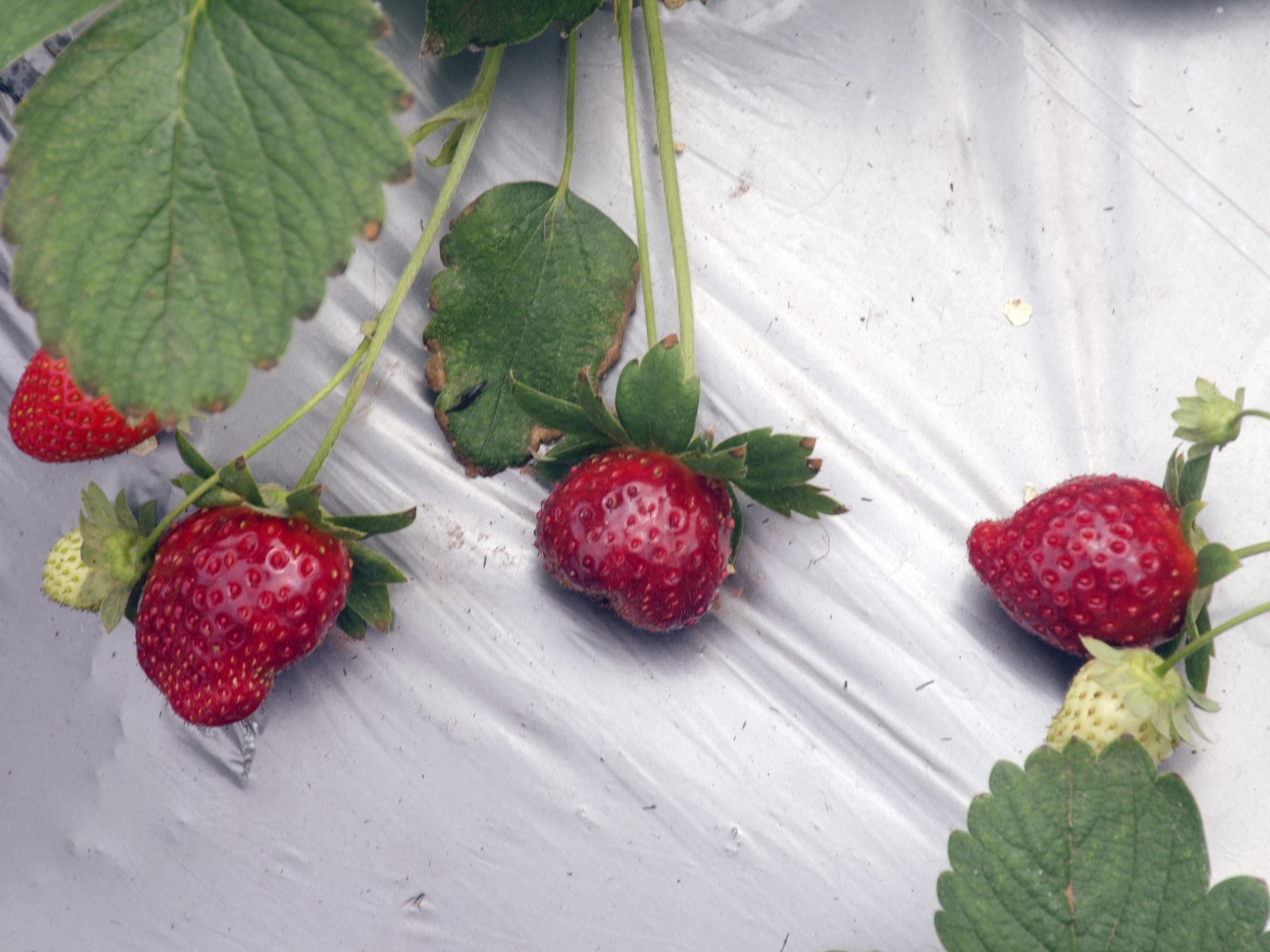 Photo: Rangan Datta Wiki / CC BY-SA
Mahabaleshwar Strawberry
Maharashtra · ₹100 - ₹300 per kg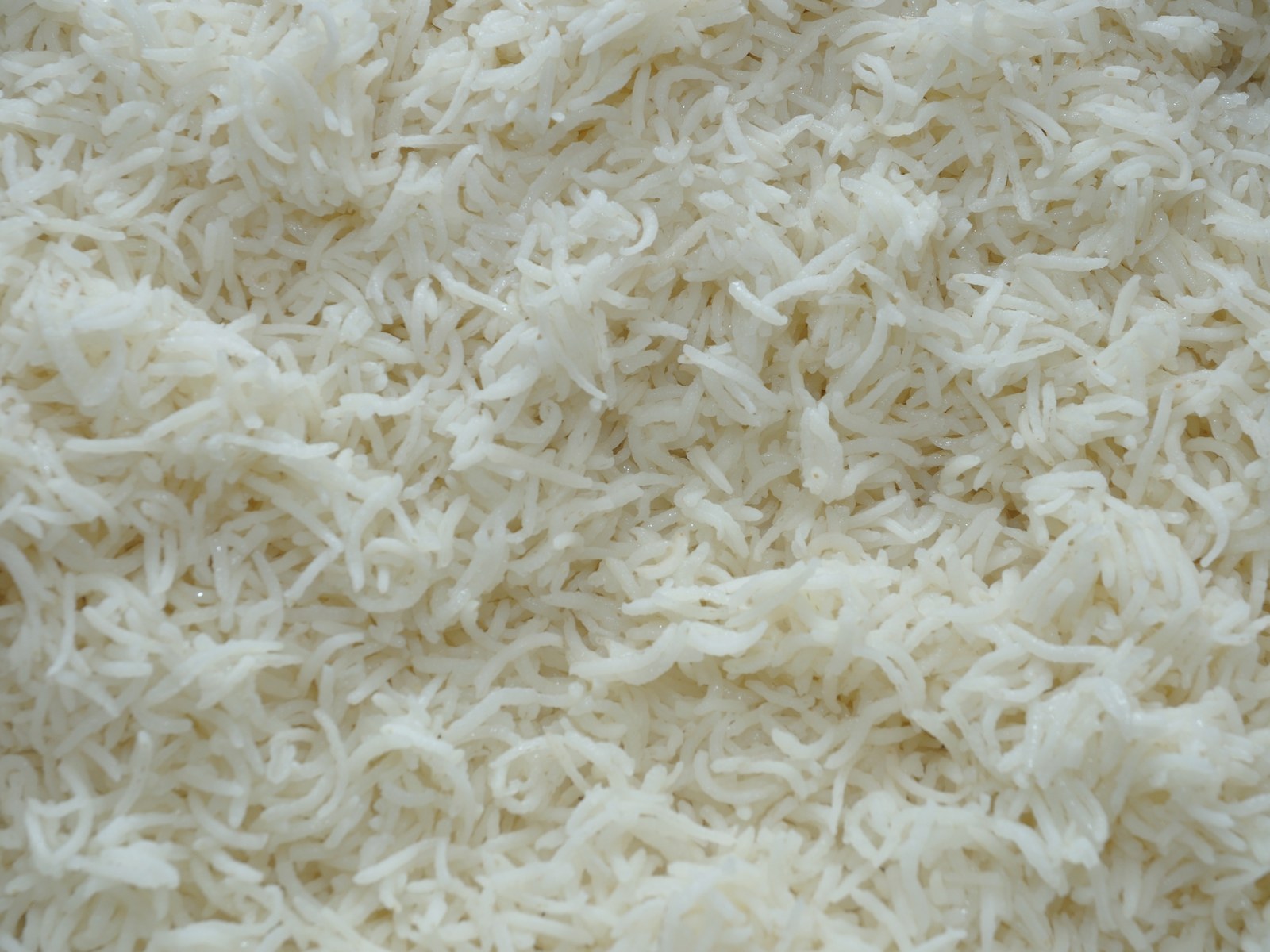 Photo: Biswarup Ganguly / CC BY-SA
Basmati Rice
Uttar Pradesh Photo: Dcrjsr / CC BY-SA