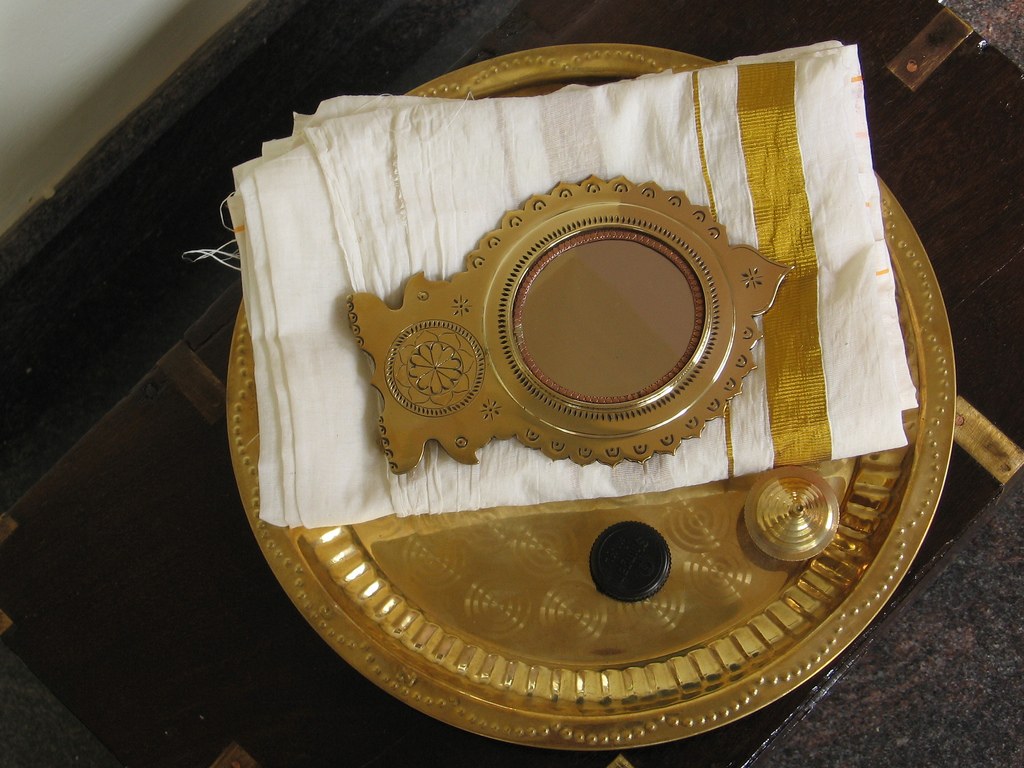
Photo: Rajesh Nair from Bangalore, India / Wikimedia Commons, CC BY 2.0

Aranmula Kannadi
A metal mirror with no glass — a secret bronze alloy polished for days until it reflects perfectly.
| GI number | GI-56 |
|---|---|
| Registered | |
| Goods class | 20 |
| Typical price | ₹3,000 - ₹1,50,000 |
| Proprietor | Vishwabrahmana Aranmula Metal Mirror Nirman Society |
| State | Kerala |
The story
In the temple village of Aranmula, a handful of families guard a metallurgical secret: a copper-tin alloy that can be polished into a front-surface mirror with zero glass. Unlike a glass mirror (which reflects from its backing, creating a slight double image), the Aranmula kannadi reflects from its very surface — optically truer, and considered one of Kerala's eight auspicious objects (ashtamangalyam). One of the earliest GI registrations, at number 3 in the registry.
How it is made
- Secret-ratio copper-tin alloy cast in clay moulds made from local paddy-field soil.
- Castings broken out and mounted for polishing.
- Polished by hand for days with cloth and oil — no machine can do it.
- Set into cast brass frames, traditionally with a tail handle (valkannadi).
◈ How to identify the authentic Aranmula Kannadi
What to check
- Touch test: your fingertip's reflection meets it with no gap (front-surface reflection).
- No glass — the mirror is solid metal, cool and heavy.
- Made only by the registered society in Aranmula; each piece signed.
- Slight golden warmth to the reflection.
Unique metal alloy mirror displaying no secondary glass reflection distortion. Standard mirrors form a distinct reflection gap.
Price to expect
Genuine Aranmula Kannadi typically sells in the range of ₹3,000 - ₹1,50,000. Prices far below that range are a common sign of an imitation.
Where to buy
Look for authorised sellers such as Aranmula Metal Mirror Vishwakarma Society, or government emporia and cooperatives in Kerala.
Registry record
Registry record: GI-56 · Registered 2005 · Proprietor: Vishwabrahmana Aranmula Metal Mirror Nirman Society
Region and market
Aranmula Kannadi is made by a small group of families in the temple village of Aranmula in Pathanamthitta district, Kerala. Because the alloy formula is a closely guarded family secret, only a few dozen artisans produce it. Mirrors range from small pocket sizes to large, ornate pieces, and they are traditionally given as auspicious gifts at weddings and housewarmings and used in temple rituals.
Buying guide
Buy from the Aranmula Metal Mirror Society or authorised workshops, and check that the mirror is solid metal with a polished surface rather than glass backed with silver. The image should be clear, with a slight golden tone. Ask for the GI certificate and the maker's details. Handle with care and avoid abrasive cleaners, and use a soft, dry cloth to prevent scratches.
Frequently asked questions
What is the GI registration number of Aranmula Kannadi?
This catalogue lists Aranmula Kannadi as GI-56. Registration numbers should be confirmed against the official GI Journal before commercial use.
Where is Aranmula Kannadi made?
Aranmula Kannadi is produced in Kerala, in the handicrafts category of this catalogue.
Can Aranmula Kannadi legally be made outside Kerala?
No. GI protection means only producers within the notified region of Kerala may legally sell goods under the name “Aranmula Kannadi”.
What does genuine Aranmula Kannadi cost?
Genuine Aranmula Kannadi typically sells in the range of ₹3,000 - ₹1,50,000. Prices far below this range are a common sign of an imitation.
How can I spot a fake Aranmula Kannadi?
Unique metal alloy mirror displaying no secondary glass reflection distortion. Standard mirrors form a distinct reflection gap.
Where should I buy genuine Aranmula Kannadi?
Look for authorised sellers such as Aranmula Metal Mirror Vishwakarma Society, or government emporia and cooperatives in Kerala.
From Kerala and the handicrafts family
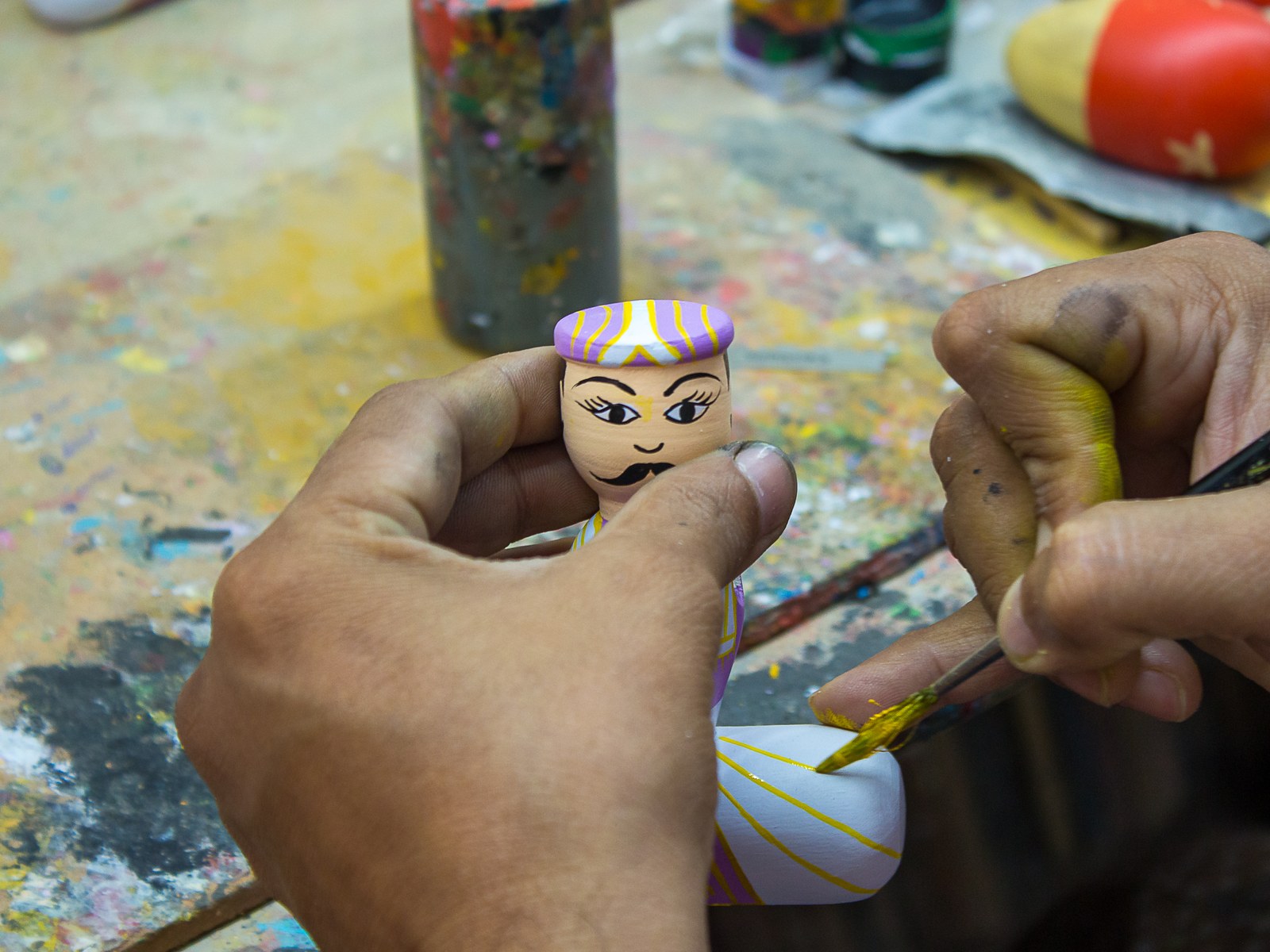 Photo: MaximusPrasad / CC BY-SA
Channapatna Toys
Karnataka · ₹150 - ₹3,000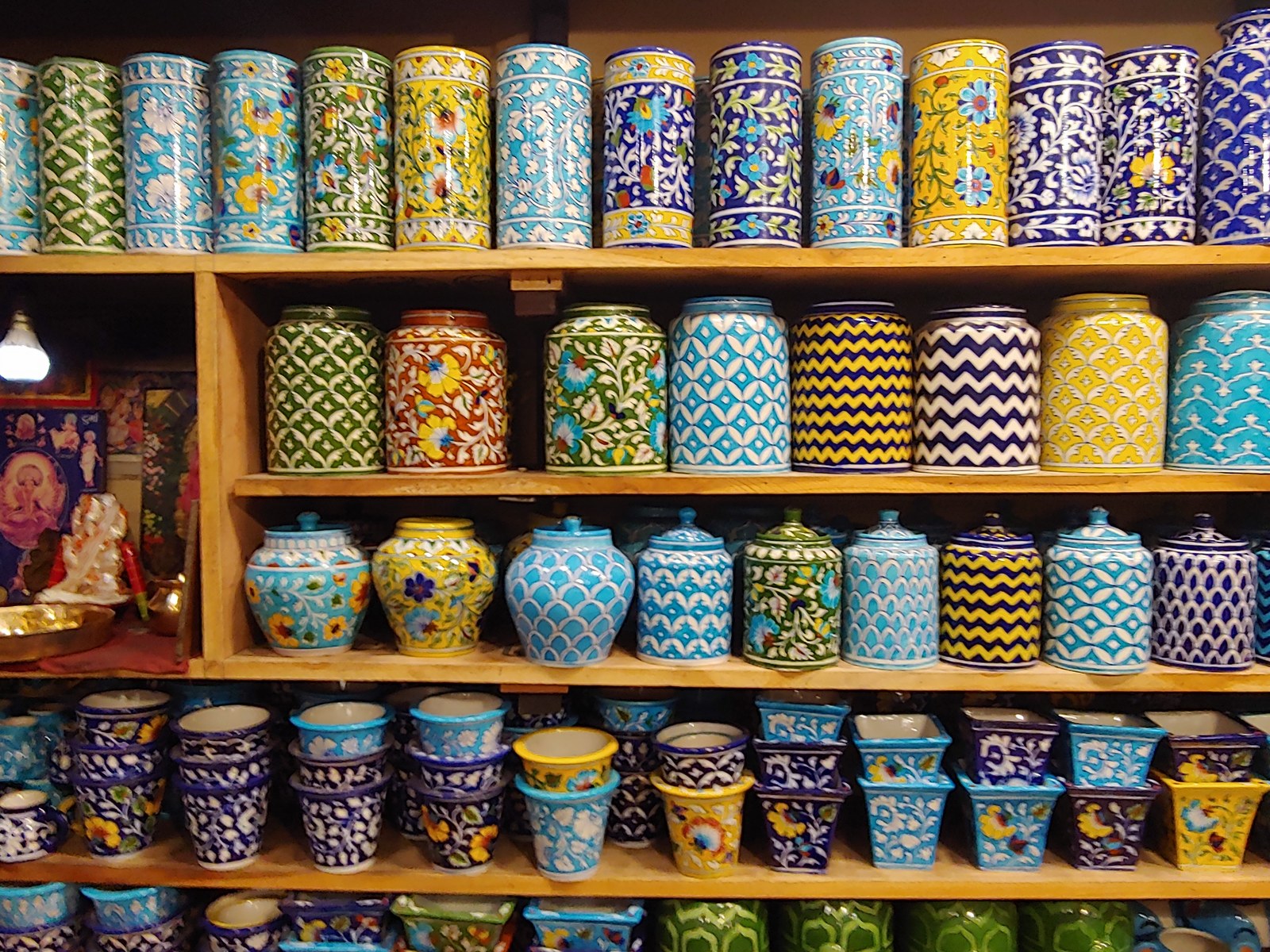 Photo: Atcelsius / CC BY-SA
Jaipur Blue Pottery
Rajasthan · ₹150 - ₹10,000
Madhubani Painting
Bihar · ₹500 - ₹50,000