Assam Orthodox Tea
| GI number | GI-27 |
|---|---|
| Typical price | ₹400 - ₹3,000 per kg |
| Verified cooperatives | Tea Board of India Authorized Gardens |
| State | Assam |
About Assam Orthodox Tea
Assam Orthodox Tea is tea from Assam made by the orthodox method, where whole or broken leaves are rolled and dried rather than being cut and curled by machine, as in CTC tea. It produces loose, larger leaves with a bright, malty cup, and the best grades include golden tips. Most Assam tea is CTC, so orthodox is a smaller, premium segment for connoisseurs.
Heritage and place
Tea cultivation in Assam is generally traced to the 1820s, when the local tea plant came to the notice of the British, and the Brahmaputra valley became one of the world's largest tea-growing areas. Orthodox manufacture gained new attention as buyers sought quality and origin. The GI recognises Assam orthodox tea as a distinct product tied to the region's soil and climate.
How it is made
Two leaves and a bud are plucked, withered to remove moisture, then rolled gently to break cell walls. The leaf is oxidised in controlled conditions and fired dry. Unlike CTC, the orthodox process preserves leaf shape, so grading depends on leaf size and the presence of tips. Skilled tea makers adjust each step according to the season and the weather in the estate.
Registry record
Assam Orthodox Tea is listed in this catalogue as GI-27, a Geographical Indication tagged product of Assam in the agricultural category. The name is legally protected: only producers within the notified region may sell under it. Confirm the entry in the official GI Journal before relying on it commercially.
◈ How to spot a fake Assam Orthodox Tea
What to check
Look for whole, even leaves with visible golden tips and a sweet, malty aroma. Dust-like or uniformly small particles suggest a different grade. Buy from estates, reputable tea houses or the Tea Board's registered sellers, and check packaging for the origin and the season, such as first or second flush. Store in an airtight container, away from moisture and strong smells.
- Hand-rolled whole leaf structure producing a bright, clear amber liquor with rich malty undercurrents; look for the Tea Board certification logo.
Price to expect
Genuine Assam Orthodox Tea typically sells in the range of ₹400 - ₹3,000 per kg. Prices far below that range are a common sign of an imitation.
Where to buy
Look for authorised sellers such as Tea Board of India Authorized Gardens, or government emporia and cooperatives in Assam.
Catalogue record
Catalogue record: GI-27 · Assam · reviewed
Frequently asked questions
What is the GI registration number of Assam Orthodox Tea?
This catalogue lists Assam Orthodox Tea as GI-27. Registration numbers should be confirmed against the official GI Journal before commercial use.
Where is Assam Orthodox Tea made?
Assam Orthodox Tea is produced in Assam, in the agricultural category of this catalogue.
Can Assam Orthodox Tea legally be made outside Assam?
No. GI protection means only producers within the notified region of Assam may legally sell goods under the name “Assam Orthodox Tea”.
What does genuine Assam Orthodox Tea cost?
Genuine Assam Orthodox Tea typically sells in the range of ₹400 - ₹3,000 per kg. Prices far below this range are a common sign of an imitation.
How can I spot a fake Assam Orthodox Tea?
Hand-rolled whole leaf structure producing a bright, clear amber liquor with rich malty undercurrents; look for the Tea Board certification logo.
Where should I buy genuine Assam Orthodox Tea?
Look for authorised sellers such as Tea Board of India Authorized Gardens, or government emporia and cooperatives in Assam.
From Assam and the agricultural family
Boka Chaul (Mud Rice)
Assam · ₹90 - ₹180 per kg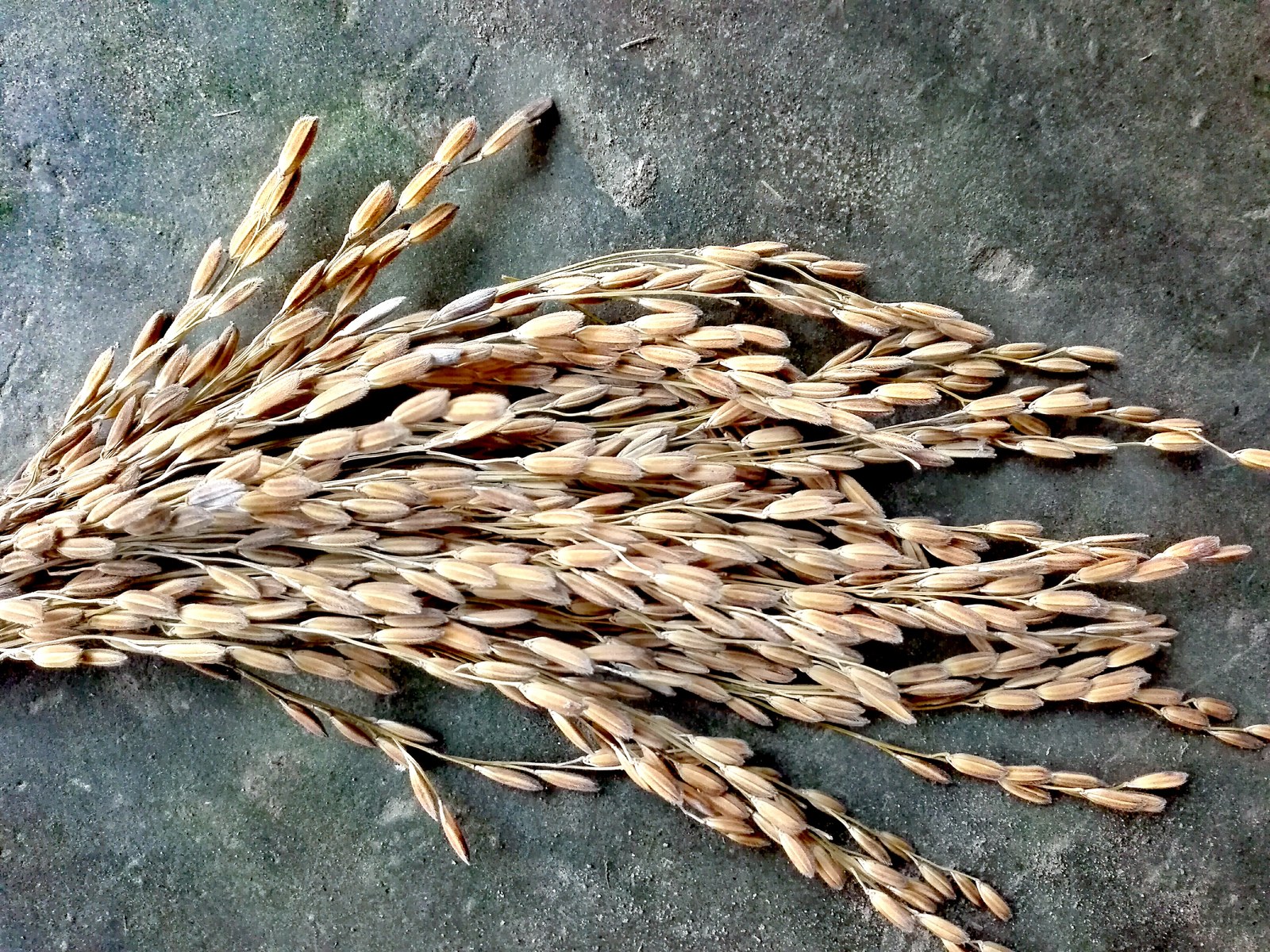 Photo: অজয় দাস / CC BY-SA
Joha Rice of Assam
Assam · ₹100 - ₹200 per kg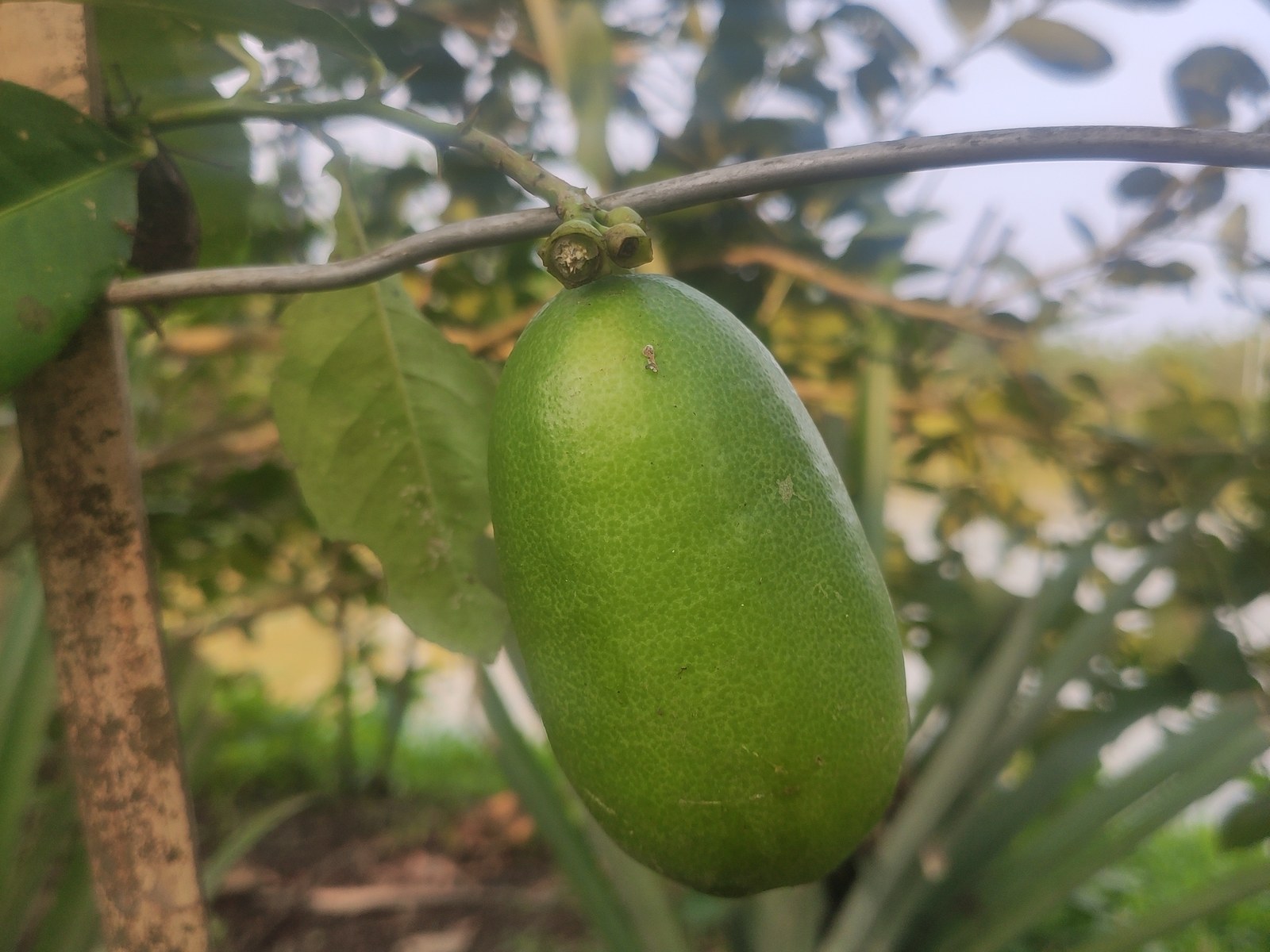 Photo: AditiB08 / CC BY-SA
Kaji Nemu (Assam Lemon)
Assam · ₹10 - ₹30 per piece