Bhagalpur Silk (Tussar)
The 'silk city' of Bihar weaves wild tussar with a rich, nubby texture prized by designers worldwide.
| GI number | GI-138 |
|---|---|
| Registered | |
| Goods class | 24, 25 |
| Proprietor | Bhagalpur weaver societies |
| State | Bihar |
The story
Bhagalpur has woven silk for over two centuries, specialising in tussar — wild silk with a deep honey tone and slubby texture that dyes into extraordinary depth. The city's looms today supply fashion houses from Tokyo to Milan, while the GI tag anchors the name to Bihar's weaver families rather than to the export labels.
How it is made
- Tussar cocoons (Antheraea mylitta) reeled into textured yarn.
- Yarn degummed softly to keep the natural slub.
- Dyed in deep tones that tussar absorbs unusually well.
- Handwoven into sarees, stoles and yardage on frame looms.
◈ How to identify the authentic Bhagalpur Silk (Tussar)
What to check
- Nubby, uneven slub texture — refined but never glossy-flat.
- Natural honey-beige base visible in undyed sections.
- Matte sheen distinct from mulberry silk's shine.
- GI + Silk Mark from Bhagalpur clusters.
Where to buy
Authorised producers for this recent registration are not yet listed in our dataset. Check the GI Journal entry for authorised users, and prefer government emporia and cooperatives in Bihar.
Registry record
Registry record: GI-138 · Registered 2009 · Proprietor: Bhagalpur weaver societies
Region and market
Bhagalpur is known as the silk city, and its weavers work with tussar and other silks on handlooms and powerlooms. The industry supplies saris, stoles, fabrics and furnishing textiles, and exports to fashion houses. Recent decades saw competition from cheaper imports and powerloom, and the industry has relied on design innovation and the GI to keep hand-woven products distinct.
Buying guide
Look for the Silk Mark and check that the fabric has the irregular, slubby texture of tussar. The natural colour is a warm beige to golden, and the fabric should feel dry and slightly coarse, not slippery like mulberry silk. Ask whether the piece is handloom. Buy from Bhagalpur's weavers' cooperatives, Bihar emporia and reputable stores, and wash gently, ideally dry-clean the first time.
Care and styling
Tussar and other Bhagalpur silks are best dry-cleaned the first time, then hand-washed gently in cool water with a mild detergent, without wringing or hard sun. Slubby fabrics wrinkle easily, so press on the reverse at a low silk setting. The natural beige base takes deep colours well, and undyed or lightly dyed pieces suit summer clothes, while heavier woven stoles and jackets work in cooler months.
Frequently asked questions
What is the GI registration number of Bhagalpur Silk (Tussar)?
This catalogue lists Bhagalpur Silk (Tussar) as GI-138. Registration numbers should be confirmed against the official GI Journal before commercial use.
Where is Bhagalpur Silk (Tussar) made?
Bhagalpur Silk (Tussar) is produced in Bihar, in the textiles category of this catalogue.
Can Bhagalpur Silk (Tussar) legally be made outside Bihar?
No. GI protection means only producers within the notified region of Bihar may legally sell goods under the name “Bhagalpur Silk (Tussar)”.
How can I tell if my Bhagalpur Silk (Tussar) is authentic?
Check the registered proprietor against the official registry, buy from authorised producer cooperatives, and use the identification checklist on this page.
From Bihar and the textiles family
 Photo: Daderot / CC BY-SA
Banarasi Saree
Uttar Pradesh · ₹5,000 - ₹2,00,000 Photo: రహ్మానుద్దీన్ / CC BY-SA
Kanchipuram Silk Saree
Tamil Nadu · ₹8,000 - ₹3,00,000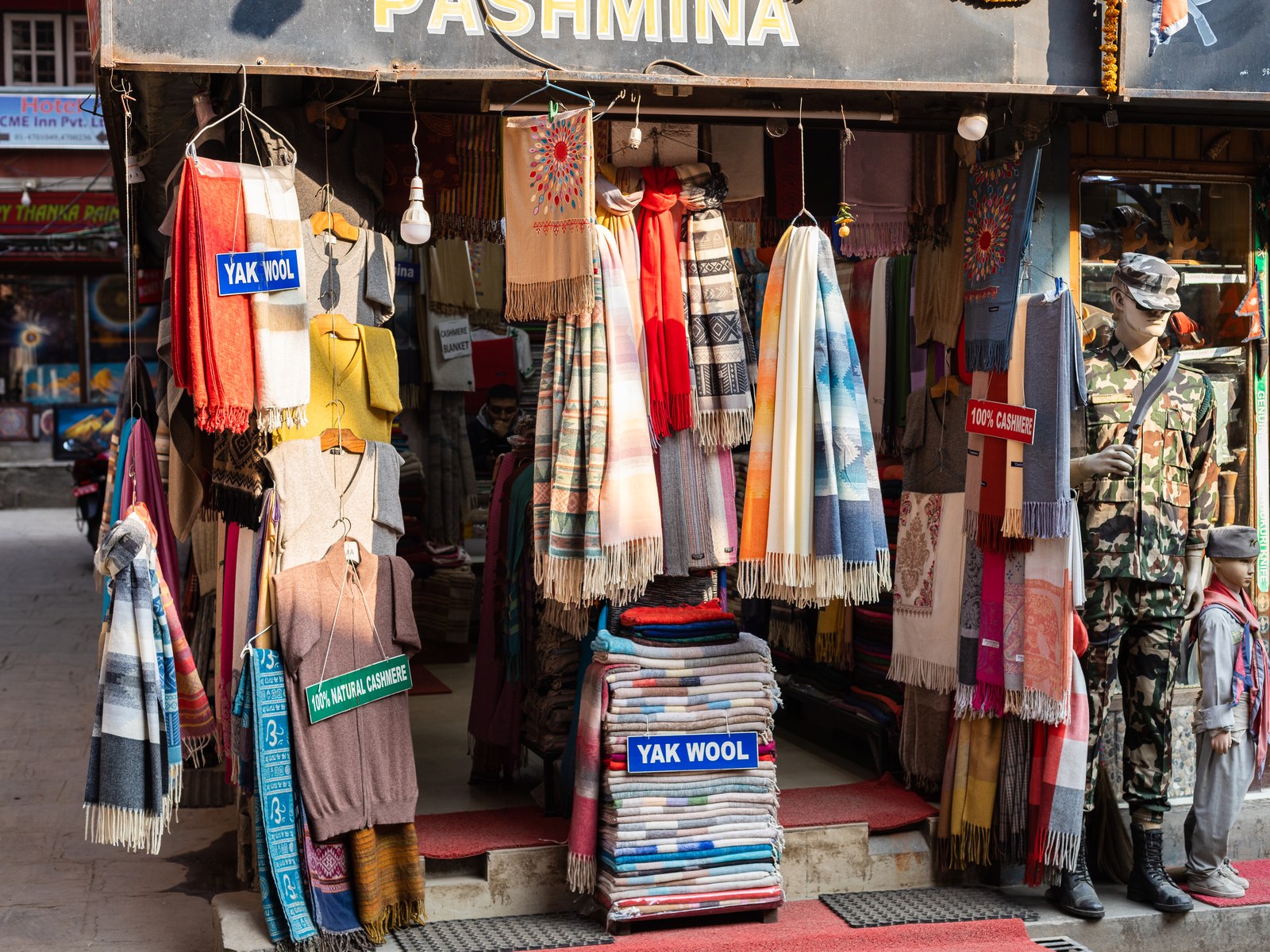 Photo: Bijay Chaurasia / CC BY-SA
Kashmir Pashmina
Jammu & Kashmir · ₹10,000 - ₹1,00,000+