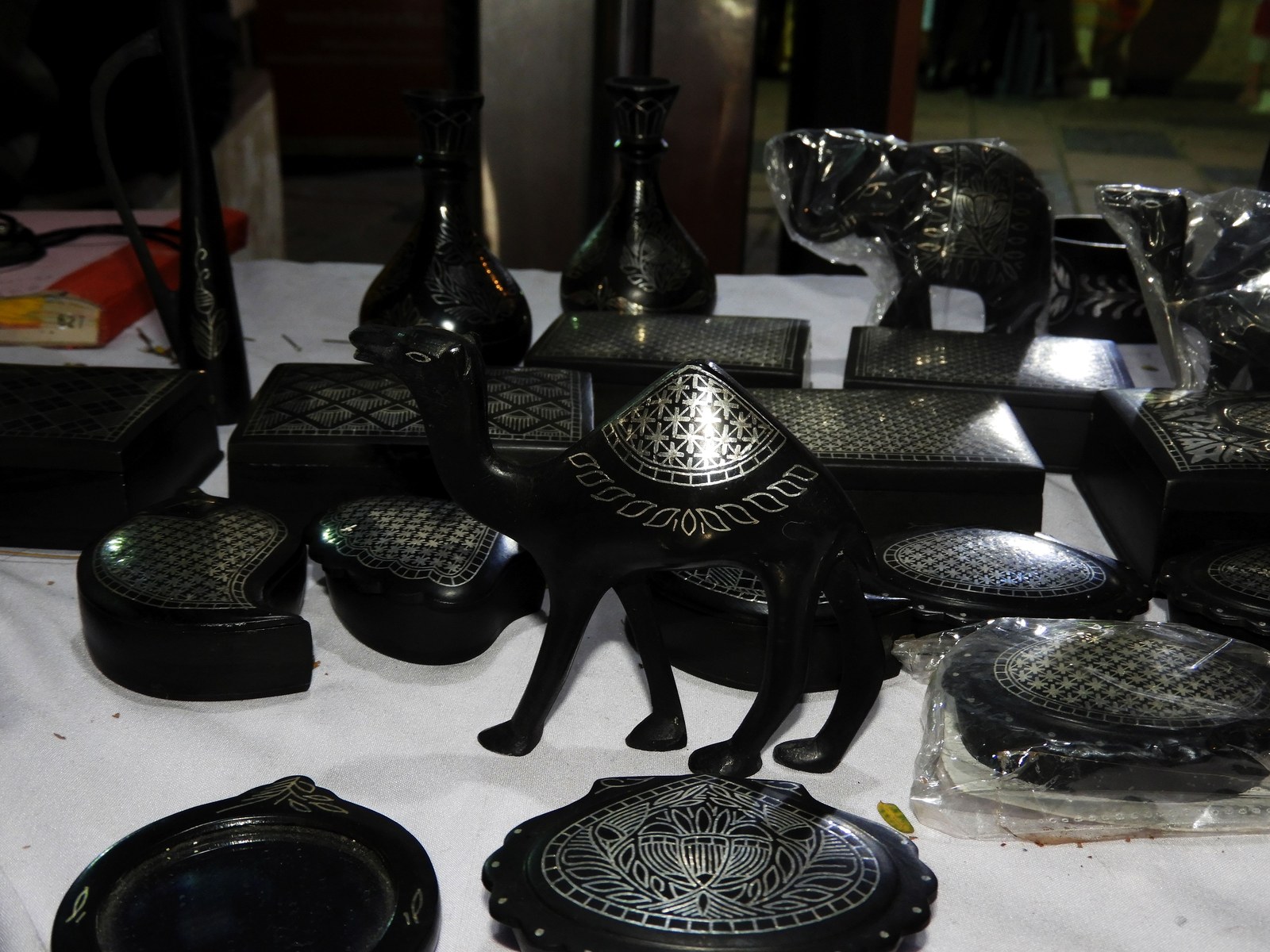
Photo: Sumita Roy Dutta / Wikimedia Commons, CC BY-SA 4.0

Bidriware
| GI number | GI-20 |
|---|---|
| Typical price | ₹500 - ₹50,000 |
| Verified cooperatives | Bidri Crafts Artisan Cooperative Society |
| State | Karnataka |
About Bidriware
Bidriware is a metal handicraft from Bidar in northern Karnataka, known for its dark, almost black surface inlaid with delicate silver patterns. Craftspeople make items such as vases, jewellery boxes, trays, hookah bases and decorative panels. The contrast between the deep black background and the bright silver floral or geometric designs gives Bidriware its unmistakable look and makes it a sought-after gift and collectors' item.
Heritage and place
The craft is linked to the Bahmani sultans, who ruled from Bidar in the fourteenth and fifteenth centuries and drew artisans from Persia and Central Asia. Over time local metalworkers blended those influences with Deccan motifs. The GI recognises Bidar as the source and helps protect the craft from plated or painted imitations.
How it is made
Artisans cast an alloy mainly of zinc with a small amount of copper, then engrave the surface with a pattern. Silver wire or sheet is hammered into the grooves, and the surface is polished. The piece is then coated with a paste made with ammonium chloride and soil from Bidar fort, which turns the alloy black but leaves the silver bright. Finally it is oiled to deepen the finish.
Registry record
Bidriware is listed in this catalogue as GI-20, a Geographical Indication tagged product of Karnataka in the handicrafts category. The name is legally protected: only producers within the notified region may sell under it. Confirm the entry in the official GI Journal before relying on it commercially.
◈ How to spot a fake Bidriware
What to check
Real Bidriware is surprisingly heavy for its size because of the zinc alloy. The silver inlay is fine and set into the surface, so you can feel slight edges rather than a painted line. Painted imitation shows silver colour that flakes or looks flat. Ask the seller about inlay material and buy from cooperatives, government emporia and established Bidar workshops that provide a written description of the piece.
- Inlaid with genuine pure silver wire patterns over an oxidized zinc-copper alloy foundation. Fake items use silver metallic paint lines.
Price to expect
Genuine Bidriware typically sells in the range of ₹500 - ₹50,000. Prices far below that range are a common sign of an imitation.
Where to buy
Look for authorised sellers such as Bidri Crafts Artisan Cooperative Society, or government emporia and cooperatives in Karnataka.
Catalogue record
Catalogue record: GI-20 · Karnataka · reviewed
Frequently asked questions
What is the GI registration number of Bidriware?
This catalogue lists Bidriware as GI-20. Registration numbers should be confirmed against the official GI Journal before commercial use.
Where is Bidriware made?
Bidriware is produced in Karnataka, in the handicrafts category of this catalogue.
Can Bidriware legally be made outside Karnataka?
No. GI protection means only producers within the notified region of Karnataka may legally sell goods under the name “Bidriware”.
What does genuine Bidriware cost?
Genuine Bidriware typically sells in the range of ₹500 - ₹50,000. Prices far below this range are a common sign of an imitation.
How can I spot a fake Bidriware?
Inlaid with genuine pure silver wire patterns over an oxidized zinc-copper alloy foundation. Fake items use silver metallic paint lines.
Where should I buy genuine Bidriware?
Look for authorised sellers such as Bidri Crafts Artisan Cooperative Society, or government emporia and cooperatives in Karnataka.
From Karnataka and the handicrafts family
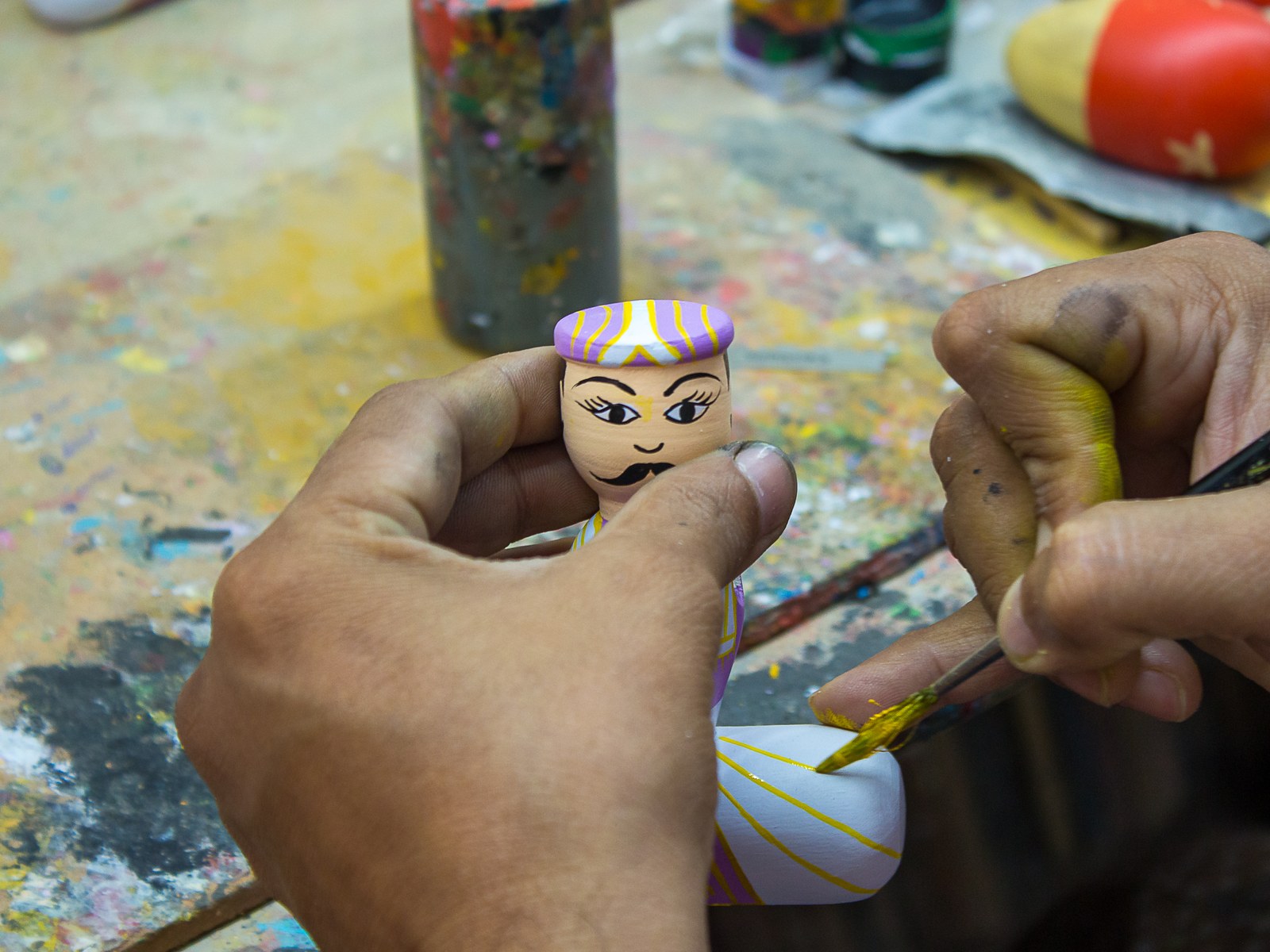 Photo: MaximusPrasad / CC BY-SA
Channapatna Toys
Karnataka · ₹150 - ₹3,000
Ilkal Sarees
Karnataka · ₹2,000 - ₹20,000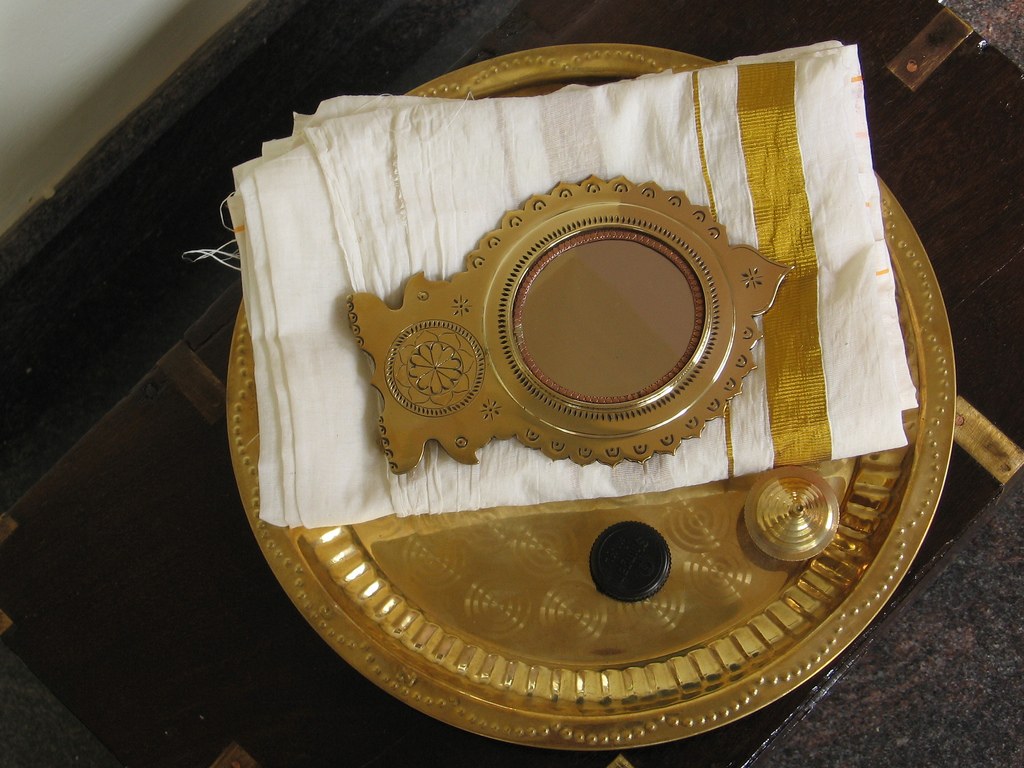 Photo: Rajesh Nair from Bangalore, India / CC BY-SA
Aranmula Kannadi
Kerala · ₹3,000 - ₹1,50,000 Photo: Dcrjsr / CC BY-SA