
Coorg Arabica Coffee
Shade-grown arabica from Kodagu's forest canopy — coffee that grows under wild pepper and cardamom.
| GI number | GI-610 |
|---|---|
| Registered | |
| Goods class | 30 |
| Proprietor | Coffee Board of India |
| State | Karnataka |
The story
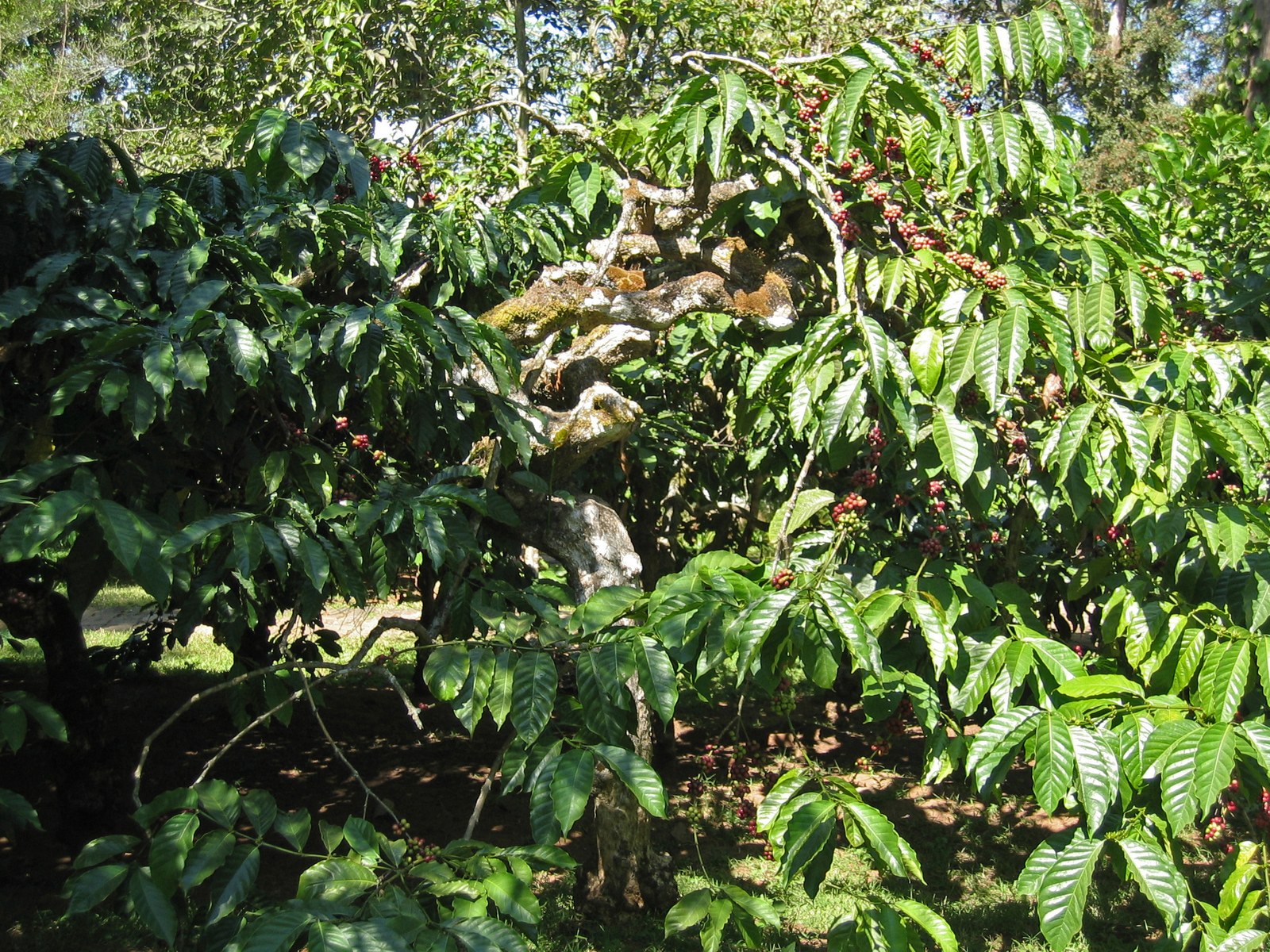
In Kodagu (Coorg), coffee doesn't replace the forest; it hides inside it. Arabica grows under a two-tier canopy of native trees, intercropped with pepper vines and cardamom, at 800–1,500 m. The cup carries mild spice and chocolate notes that the Coffee Board's GI registration in 2019 tied formally to this landscape — one of five coffee GIs granted together that year.
How it is made
- Grown under two-tier shade of native forest trees.
- Selectively hand-picked when cherries are fully ripe.
- Washed (parchment) processing in estate pulpers.
- Sun-dried on terraces, cured, graded and cupped.
◈ How to identify the authentic Coorg Arabica Coffee
What to check
- Origin-labelled 'Coorg/Kodagu Arabica' with Coffee Board GI mark.
- Cup notes: mild spice, chocolate, gentle acidity.
- Traceable estate or cooperative name on the bag.
- Harvest Nov–Feb; genuinely fresh crop reaches roasters by spring.
Where to buy
Authorised producers for this recent registration are not yet listed in our dataset. Check the GI Journal entry for authorised users, and prefer government emporia and cooperatives in Karnataka.
Registry record
Registry record: GI-610 · Registered 2019 · Proprietor: Coffee Board of India
Region and market
Coorg's coffee is grown on smallholdings and estates under a dense canopy of native trees, alongside pepper, cardamom and orange trees. The region produces both arabica and robusta, and this GI covers the arabica. Coffee is washed or dry processed, sun-dried and cured, and many estates now sell directly to consumers, offering single-estate roasts and estate tours that have made Kodagu a coffee-tourism destination.
Buying guide
Choose coffee labelled with the estate, harvest year and roast date, and look for the Coffee Board's GI mark. Buy whole beans and grind just before brewing for the best flavour, and store in an airtight container away from light. Coorg arabica is typically mild and balanced, so a medium roast usually shows its character best. Check for reputable roasters and avoid unlabelled blends.
Brewing notes
Coorg arabica is usually mild and well balanced, so it suits filter, pour-over and French press methods, and a medium roast shows its character best. Grind fresh and use water just off the boil. Buy smaller bags of whole beans and finish them within a month of the roast date. South Indian filter coffee blends often add chicory, so check the label if you want pure arabica.
Frequently asked questions
What is the GI registration number of Coorg Arabica Coffee?
This catalogue lists Coorg Arabica Coffee as GI-610. Registration numbers should be confirmed against the official GI Journal before commercial use.
Where is Coorg Arabica Coffee made?
Coorg Arabica Coffee is produced in Karnataka, in the agricultural category of this catalogue.
Can Coorg Arabica Coffee legally be made outside Karnataka?
No. GI protection means only producers within the notified region of Karnataka may legally sell goods under the name “Coorg Arabica Coffee”.
How can I tell if my Coorg Arabica Coffee is authentic?
Check the registered proprietor against the official registry, buy from authorised producer cooperatives, and use the identification checklist on this page.
From Karnataka and the agricultural family
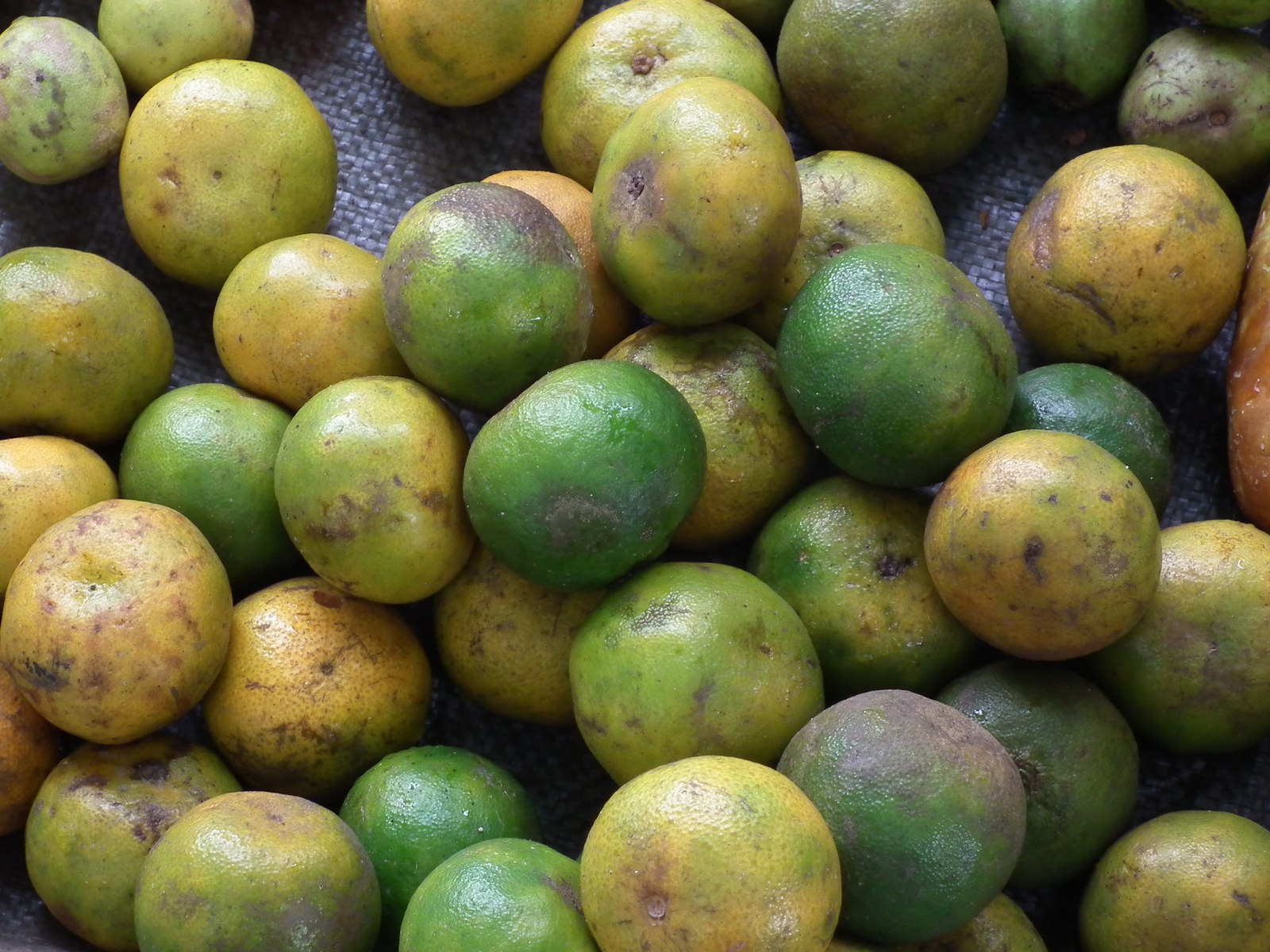 Photo: Rameshng / CC BY-SA
Coorg Orange
Karnataka · ₹80 - ₹200 per kg
Alphonso Mango
Maharashtra · ₹500 - ₹1,500/dozen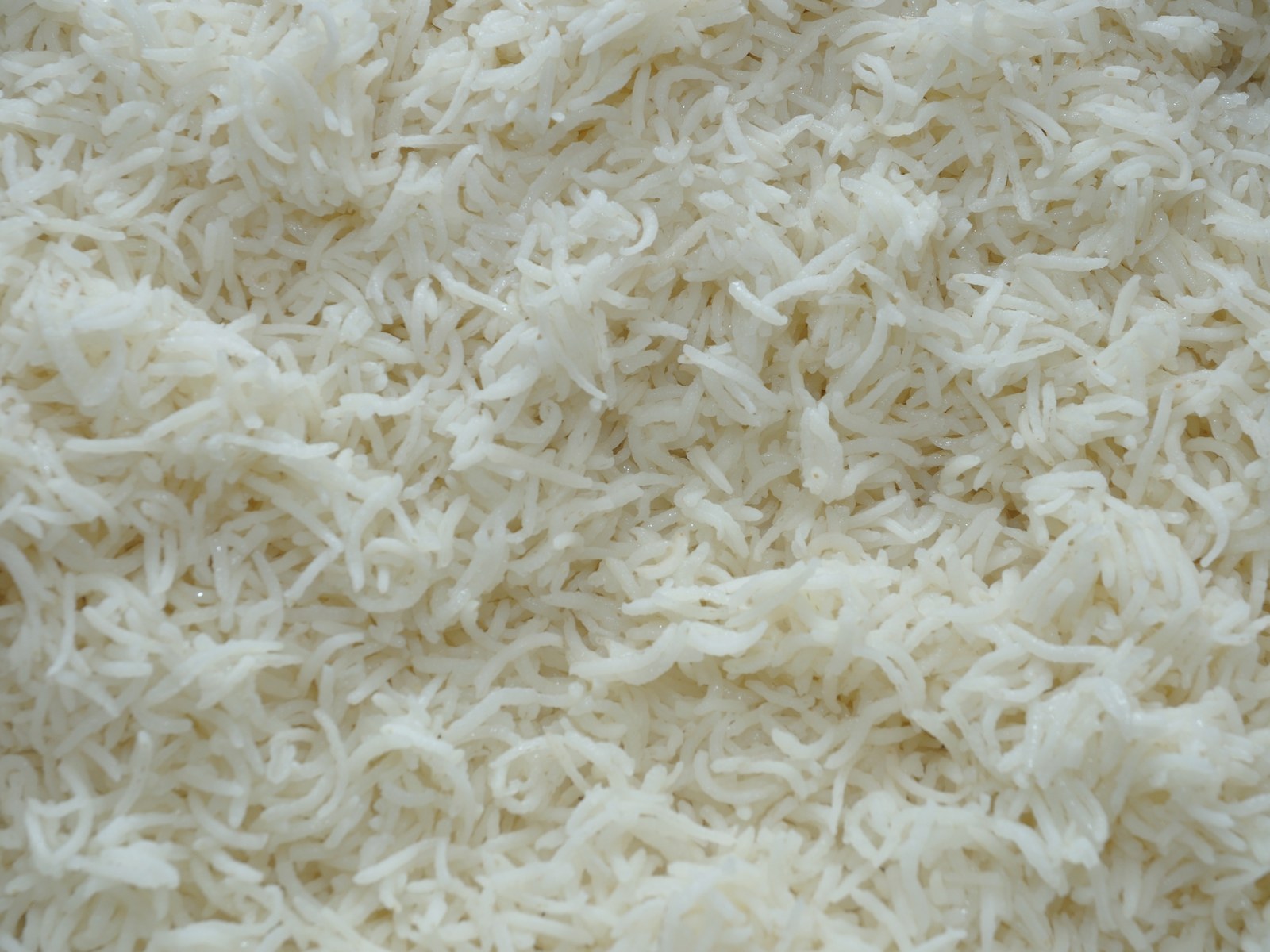 Photo: Biswarup Ganguly / CC BY-SA
Basmati Rice
Uttar Pradesh Photo: MaximusPrasad / CC BY-SA