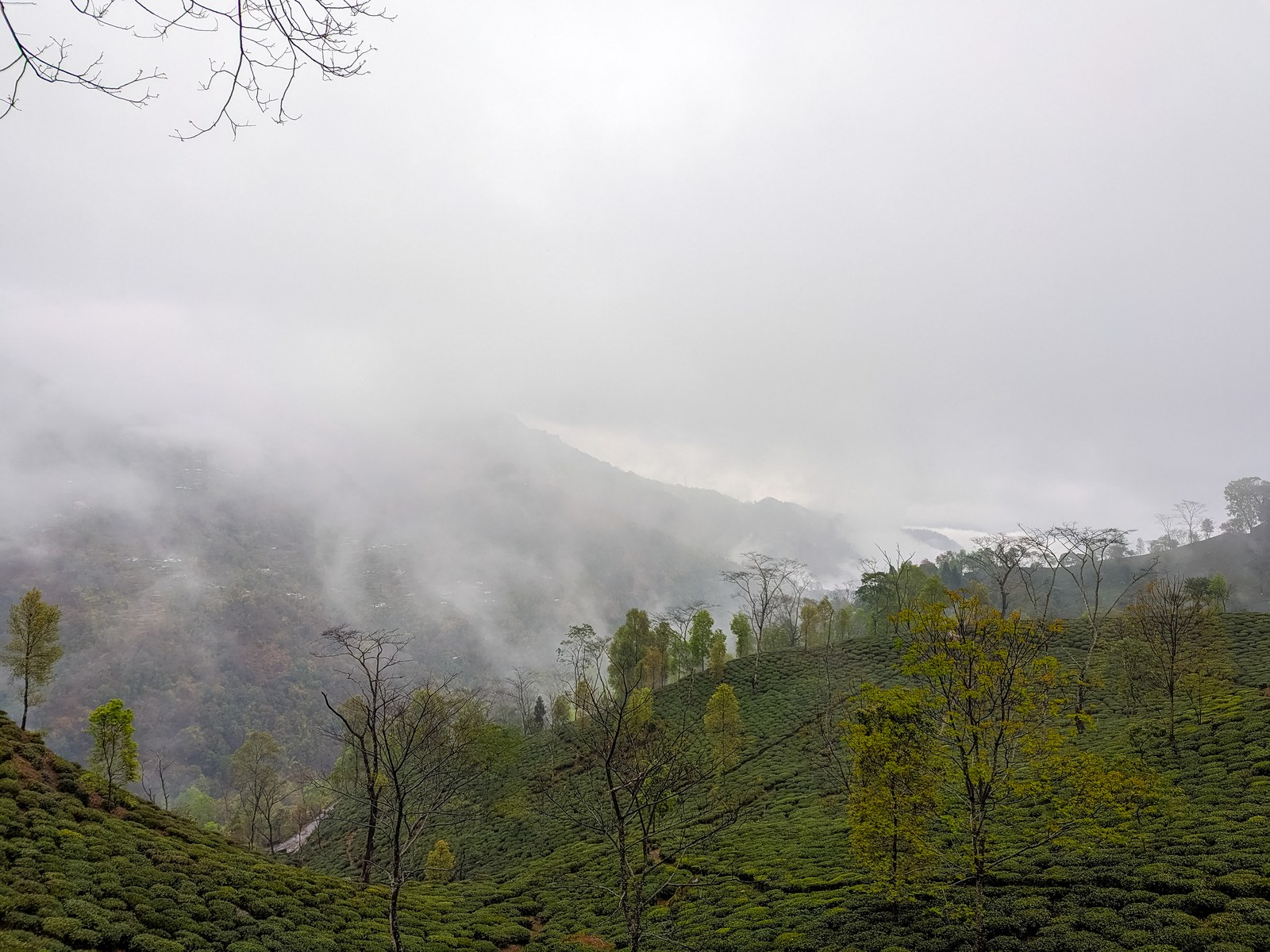
Photo: Sourabh.biswas003 / Wikimedia Commons, CC BY-SA 4.0

Darjeeling Tea
The first GI of India — the 'Champagne of teas', grown on misty Himalayan slopes at 600–2,000 m.
| GI number | GI-29 |
|---|---|
| Registered | |
| Goods class | 30 |
| Typical price | ₹800 - ₹5,000 per kg |
| Proprietor | Tea Board of India |
| State | West Bengal |
The story
When the Geographical Indications registry of India opened its ledger in 2004, the first entry belonged to Darjeeling Tea. Grown across 87 estates in the Darjeeling hills of West Bengal, the tea owes its famous muscatel flavour to a rare combination: cool mist, high altitude, thin mountain soil and the China-hybrid tea bush. The name had been imitated worldwide for over a century — far more 'Darjeeling' was sold globally than the hills could ever produce — which is exactly why India's GI law begins here.
How it is made
- Plucking of two leaves and a bud, by hand, during four distinct flushes (spring to autumn).
- Withering for 14–16 hours to reduce moisture.
- Rolling to rupture leaf cells and begin oxidation.
- Careful, shorter oxidation than Assam teas — the source of the muscatel note.
- Firing (drying), sorting and grading into whole-leaf grades.
◈ How to identify the authentic Darjeeling Tea
What to check
- Look for the Tea Board's Darjeeling logo (stylised woman plucking leaves) on packaging.
- Genuine Darjeeling carries a Tea Board certification and licence number.
- 100% Darjeeling label — blends cannot legally use the standalone name.
- Muscatel aroma; liquor is light golden, never dark and heavy.
Renowned worldwide for its legendary 'muscatel' flavor profile. Must feature the official circular logo of the woman holding tea leaves.
Price to expect
Genuine Darjeeling Tea typically sells in the range of ₹800 - ₹5,000 per kg. Prices far below that range are a common sign of an imitation.
Where to buy
Look for authorised sellers such as Darjeeling Planters Association, Tea Board, or government emporia and cooperatives in West Bengal.
Registry record
Registry record: GI-29 · Registered 2004 · Proprietor: Tea Board of India
Region and market
Darjeeling produces a small share of India's tea, yet it commands some of the highest prices because of its single-region identity and hand-plucked, seasonal flushes. First flush, picked in spring, is light and floral; second flush, from early summer, is fuller and muscatel; the monsoon and autumn flushes are darker and rounder. Estates sit on steep slopes between roughly 600 and 2,000 metres, and many also produce green, white and oolong styles.
Buying guide
Buy from named estates or reputable tea houses that state the flush, harvest year and grade on the pack, and look for the Tea Board's Darjeeling logo. Whole, even leaves with a sweet aroma beat dusty, uniform particles. Store in an airtight tin away from light and strong smells, brew below boiling for the lighter flushes, and be sceptical of low prices, since blended tea is often sold under the Darjeeling name.
Frequently asked questions
What is the GI registration number of Darjeeling Tea?
This catalogue lists Darjeeling Tea as GI-29. Registration numbers should be confirmed against the official GI Journal before commercial use.
Where is Darjeeling Tea made?
Darjeeling Tea is produced in West Bengal, in the agricultural category of this catalogue.
Can Darjeeling Tea legally be made outside West Bengal?
No. GI protection means only producers within the notified region of West Bengal may legally sell goods under the name “Darjeeling Tea”.
What does genuine Darjeeling Tea cost?
Genuine Darjeeling Tea typically sells in the range of ₹800 - ₹5,000 per kg. Prices far below this range are a common sign of an imitation.
How can I spot a fake Darjeeling Tea?
Renowned worldwide for its legendary 'muscatel' flavor profile. Must feature the official circular logo of the woman holding tea leaves.
Where should I buy genuine Darjeeling Tea?
Look for authorised sellers such as Darjeeling Planters Association, Tea Board, or government emporia and cooperatives in West Bengal.
From West Bengal and the agricultural family
Alphonso Mango
Maharashtra · ₹500 - ₹1,500/dozen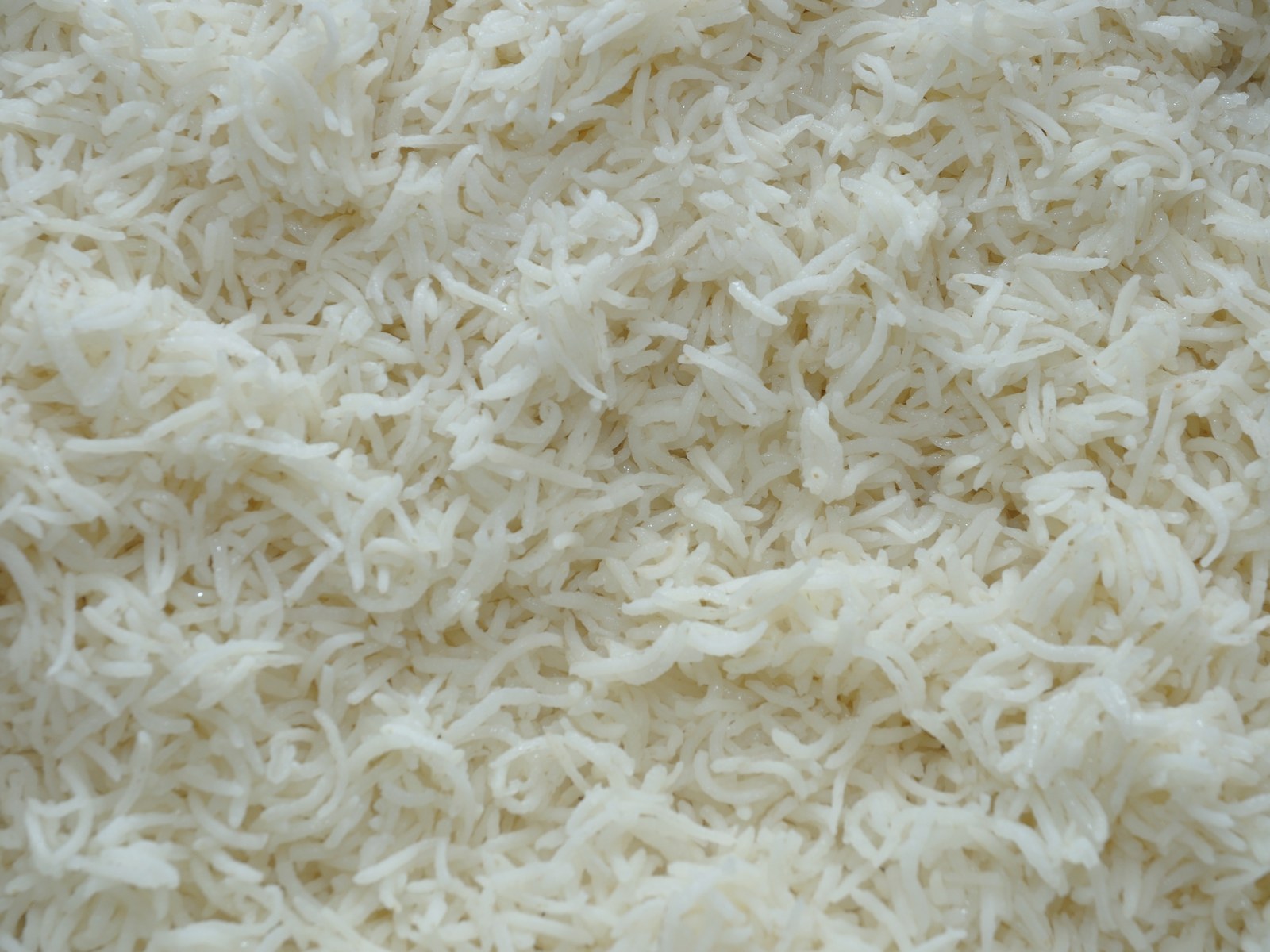 Photo: Biswarup Ganguly / CC BY-SA
Basmati Rice
Uttar Pradesh Photo: Dcrjsr / CC BY-SA
Coorg Arabica Coffee
Karnataka