Kashmir Saffron
| GI number | GI-37 |
|---|---|
| Typical price | ₹300 - ₹600 per gram |
| Verified cooperatives | Pampore Saffron Growers Cooperative |
| State | Jammu & Kashmir |
About Kashmir Saffron
Kashmir Saffron is the deep red spice made from the dried stigmas of the crocus sativus flower, grown mainly around Pampore in the Kashmir valley. It is one of the world's costliest spices because each flower produces only a few threads, all harvested by hand. Kashmiri saffron is used in biryani, kahwa tea, sweets and skincare, and is known for strong colour, aroma and a slightly bitter, honeyed taste.
Heritage and place
Saffron has been grown on the karewas (raised plateaus) of Kashmir for centuries, and Pampore is often called the saffron town of India. The industry has faced pressure from climate change, land use change and cheaper imports sold under a Kashmiri label. The GI, backed by lab-tested grading, helps growers claim a premium and gives buyers a way to identify the genuine spice.
How it is made
The flowers bloom for a few weeks in autumn, and families pick them at dawn before the petals open fully. The three red stigmas are separated by hand from each flower, then dried gently, traditionally in the sun or over low heat. Several thousand flowers are needed for a single ounce of dried saffron, which explains its price. Grades depend on colour strength and the proportion of red thread.
Registry record
Kashmir Saffron is listed in this catalogue as GI-37, a Geographical Indication tagged product of Jammu & Kashmir in the agricultural category. The name is legally protected: only producers within the notified region may sell under it. Confirm the entry in the official GI Journal before relying on it commercially.
◈ How to spot a fake Kashmir Saffron
What to check
Real saffron consists of dark red threads with a trumpet-like tip, sometimes with a tiny lighter end, and a rich, hay-like aroma. Steeped in warm water it releases colour slowly, while fake saffron bleeds dye at once and leaves the threads pale. Prefer sealed packs with a GI label, lab certification and the producer's details, and be suspicious of very cheap saffron sold by weight without documentation.
- Deep trumpet-shaped dark crimson threads that release a rich golden-yellow hue slowly in milk/water; synthetic saffron bleeds dye instantly.
Price to expect
Genuine Kashmir Saffron typically sells in the range of ₹300 - ₹600 per gram. Prices far below that range are a common sign of an imitation.
Where to buy
Look for authorised sellers such as Pampore Saffron Growers Cooperative, or government emporia and cooperatives in Jammu & Kashmir.
Catalogue record
Catalogue record: GI-37 · Jammu & Kashmir · reviewed
Frequently asked questions
What is the GI registration number of Kashmir Saffron?
This catalogue lists Kashmir Saffron as GI-37. Registration numbers should be confirmed against the official GI Journal before commercial use.
Where is Kashmir Saffron made?
Kashmir Saffron is produced in Jammu & Kashmir, in the agricultural category of this catalogue.
Can Kashmir Saffron legally be made outside Jammu & Kashmir?
No. GI protection means only producers within the notified region of Jammu & Kashmir may legally sell goods under the name “Kashmir Saffron”.
What does genuine Kashmir Saffron cost?
Genuine Kashmir Saffron typically sells in the range of ₹300 - ₹600 per gram. Prices far below this range are a common sign of an imitation.
How can I spot a fake Kashmir Saffron?
Deep trumpet-shaped dark crimson threads that release a rich golden-yellow hue slowly in milk/water; synthetic saffron bleeds dye instantly.
Where should I buy genuine Kashmir Saffron?
Look for authorised sellers such as Pampore Saffron Growers Cooperative, or government emporia and cooperatives in Jammu & Kashmir.
From Jammu & Kashmir and the agricultural family
Alphonso Mango
Maharashtra · ₹500 - ₹1,500/dozen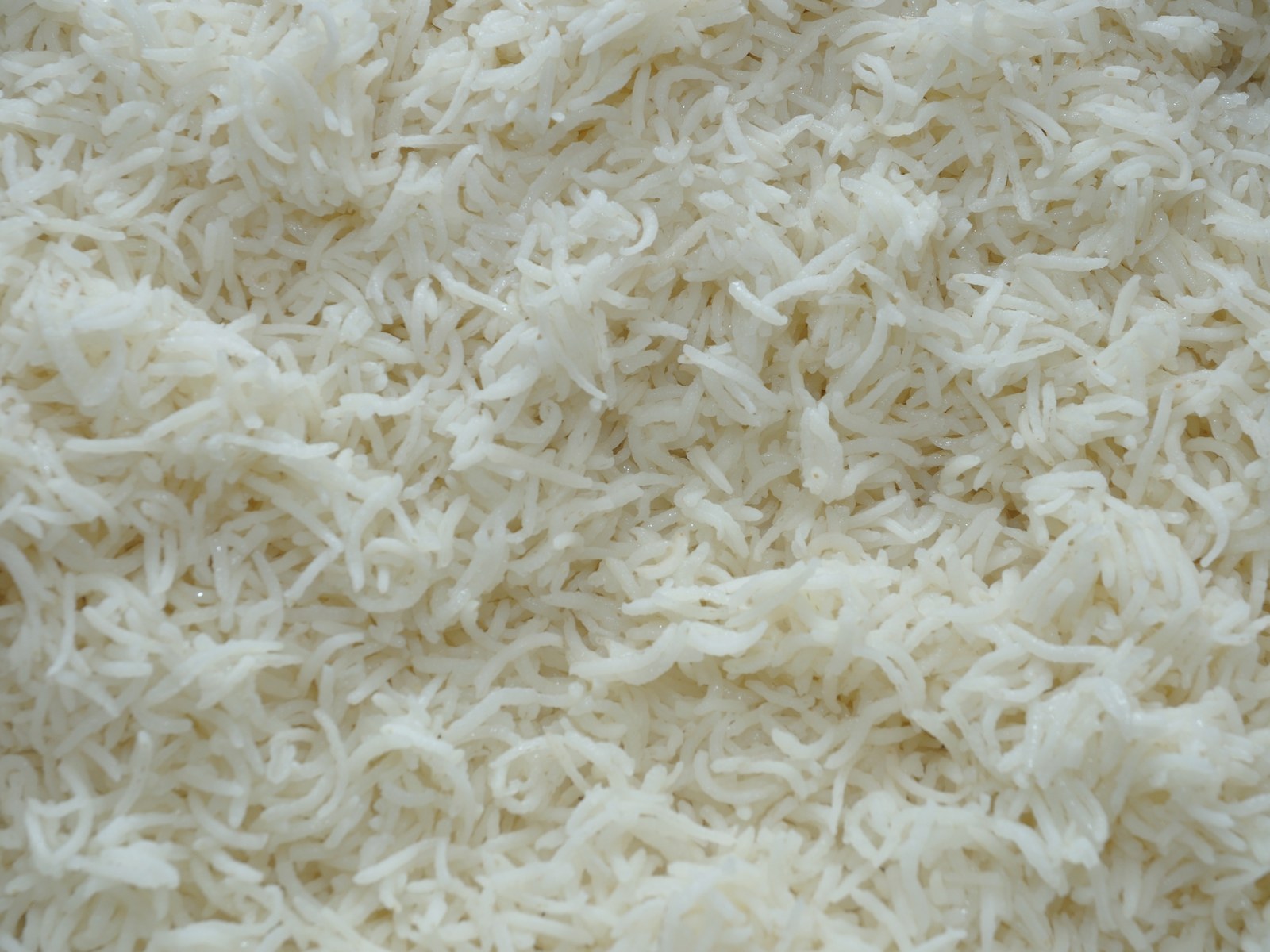 Photo: Biswarup Ganguly / CC BY-SA
Basmati Rice
Uttar Pradesh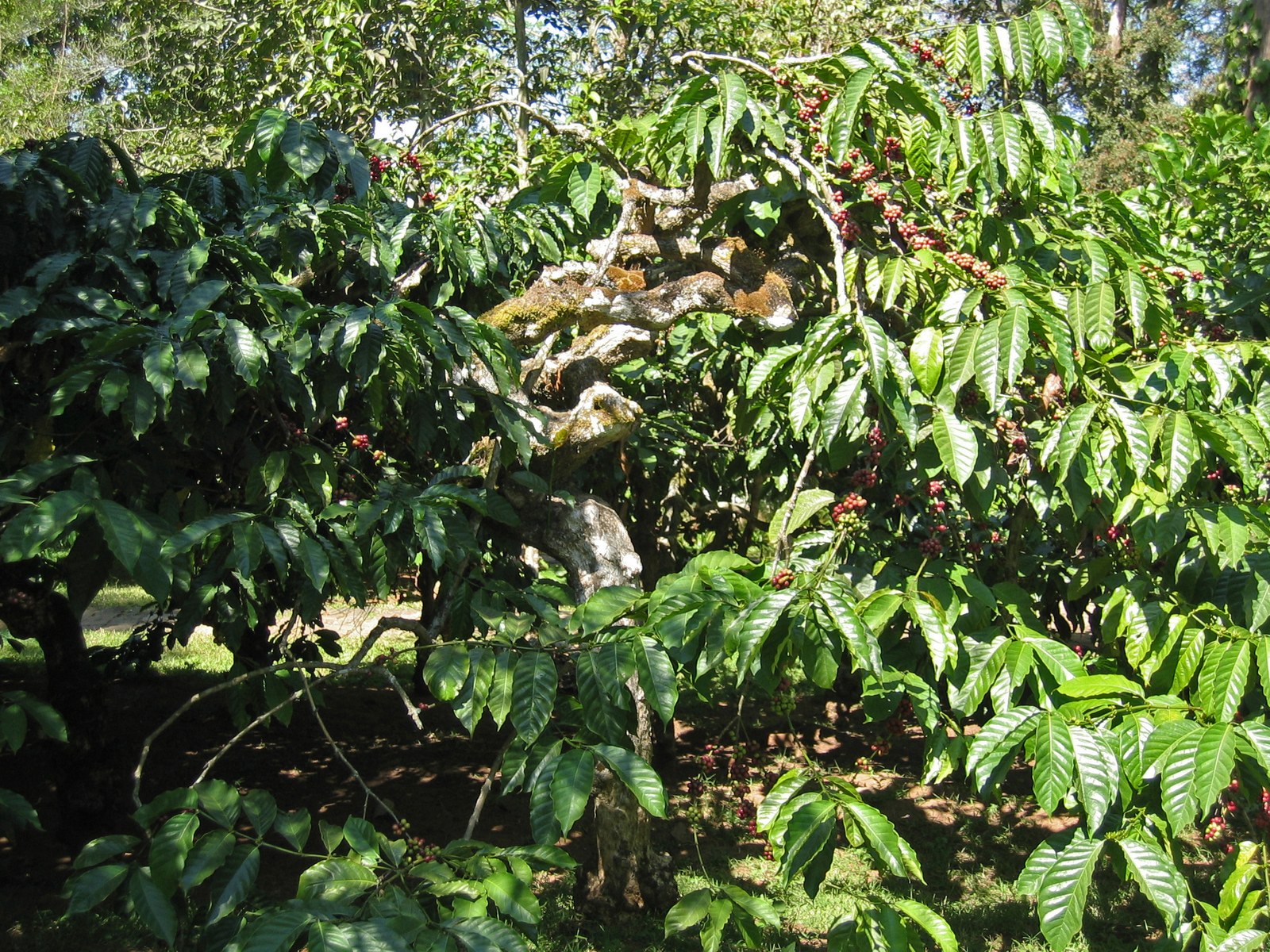 Photo: Dcrjsr / CC BY-SA
Coorg Arabica Coffee
Karnataka Photo: Sourabh.biswas003 / CC BY-SA