Mysore Silk
Pure mulberry silk with 100% pure gold zari, woven since 1912 in the Mysuru royal factory.
| GI number | GI-15 |
|---|---|
| Registered | |
| Goods class | 24, 25 |
| Typical price | ₹12,000 - ₹1,50,000 |
| Proprietor | Karnataka Silk Industries Corporation (KSIC) |
| State | Karnataka |
The story
The Mysore Silk factory was founded in 1912 by Maharaja Krishnaraja Wadiyar IV with looms imported from Switzerland. It remains one of the few places on earth weaving sarees with zari of 65% pure silver and 0.65% gold. Every genuine piece carries an embroidered code and hologram from KSIC — a traceability system that predates the blockchain fantasies of modern luxury.
How it is made
- Bivoltine mulberry cocoons are reeled into fine, uniform filament.
- Yarn is twisted, degummed and dyed in-house.
- Woven on looms with genuine gold-silver zari as supplementary weft.
- Each saree is embossed with a unique identification number and hologram.
◈ How to identify the authentic Mysore Silk
What to check
- Unique KSIC code woven into the saree edge — verifiable with KSIC.
- Hologram sticker and purity certificate for the gold zari.
- The 'crease test': pure Mysore crepe recovers, imitations stay creased.
- Sold only through KSIC showrooms and authorised outlets.
Contains pure silk and genuine silver-gilt thread (100% real zari). Features an unalterable government code number embroidered on the lace border.
Price to expect
Genuine Mysore Silk typically sells in the range of ₹12,000 - ₹1,50,000. Prices far below that range are a common sign of an imitation.
Where to buy
Look for authorised sellers such as Karnataka Silk Industries Corporation (KSIC), or government emporia and cooperatives in Karnataka.
Registry record
Registry record: GI-15 · Registered 2005 · Proprietor: Karnataka Silk Industries Corporation (KSIC)
Region and market
Mysore silk is produced from mulberry cocoons, and Karnataka is one of India's leading raw silk producers, with Ramanagara hosting a major cocoon market. The Karnataka Silk Industries Corporation runs the flagship Mysore Silk factory and showrooms, and its saris are known for crepe texture, pure zari borders and a restrained, elegant palette. The tradition dates to the early twentieth century under the Wadiyar rulers.
Buying guide
Purchase from KSIC showrooms or authorised dealers, and look for the corporation's hologram and code on the sari. Check the weight and hand-feel: pure crepe is soft yet has body, and zari should be gold-toned, not bright yellow. Ask for the purity certificate where available. Dry-clean rather than machine-wash, store folded in muslin and refold periodically to prevent damage along the creases.
Frequently asked questions
What is the GI registration number of Mysore Silk?
This catalogue lists Mysore Silk as GI-15. Registration numbers should be confirmed against the official GI Journal before commercial use.
Where is Mysore Silk made?
Mysore Silk is produced in Karnataka, in the textiles category of this catalogue.
Can Mysore Silk legally be made outside Karnataka?
No. GI protection means only producers within the notified region of Karnataka may legally sell goods under the name “Mysore Silk”.
What does genuine Mysore Silk cost?
Genuine Mysore Silk typically sells in the range of ₹12,000 - ₹1,50,000. Prices far below this range are a common sign of an imitation.
How can I spot a fake Mysore Silk?
Contains pure silk and genuine silver-gilt thread (100% real zari). Features an unalterable government code number embroidered on the lace border.
Where should I buy genuine Mysore Silk?
Look for authorised sellers such as Karnataka Silk Industries Corporation (KSIC), or government emporia and cooperatives in Karnataka.
From Karnataka and the textiles family
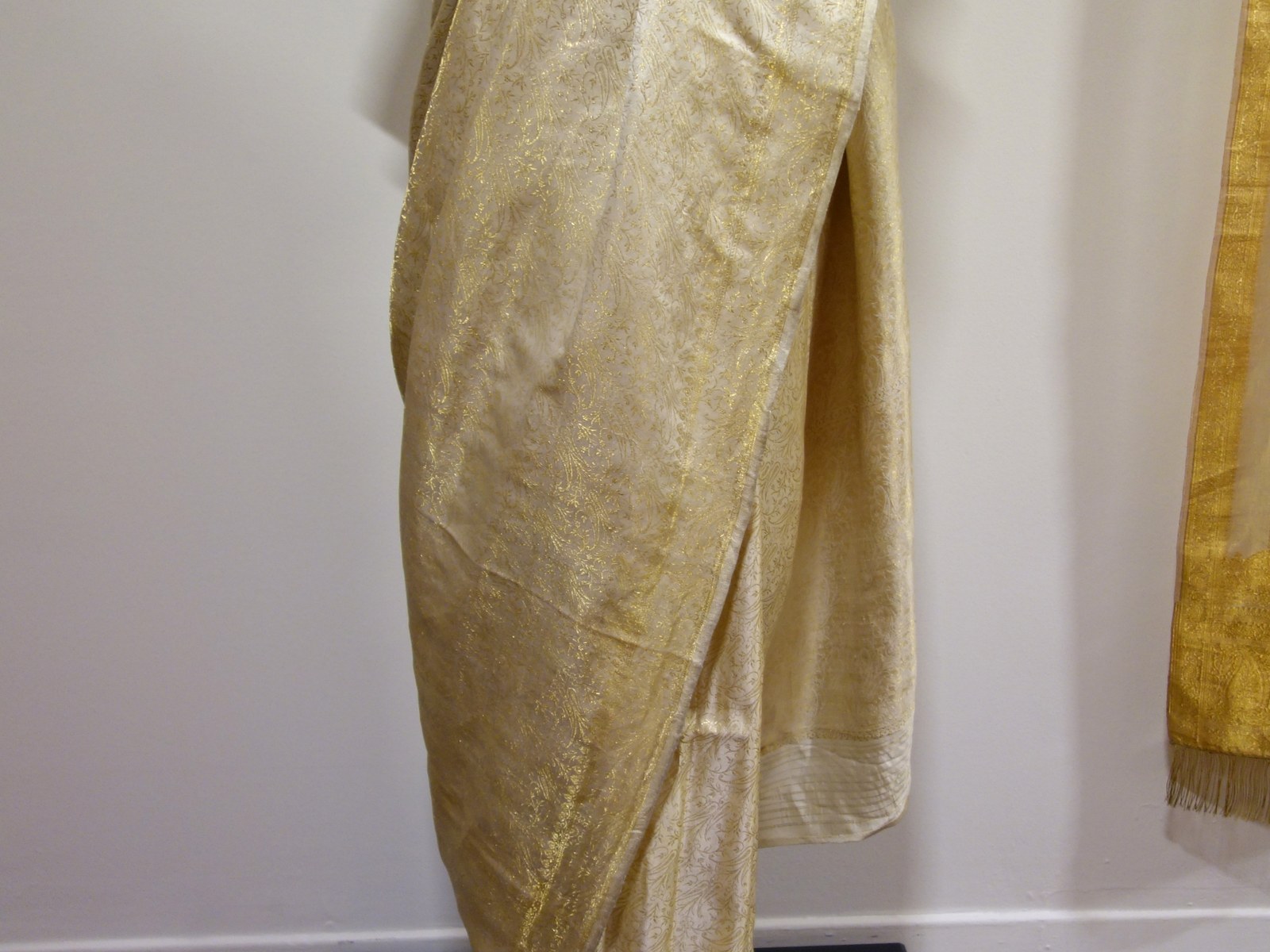 Photo: Daderot / CC BY-SA
Banarasi Saree
Uttar Pradesh · ₹5,000 - ₹2,00,000
Bhagalpur Silk (Tussar)
Bihar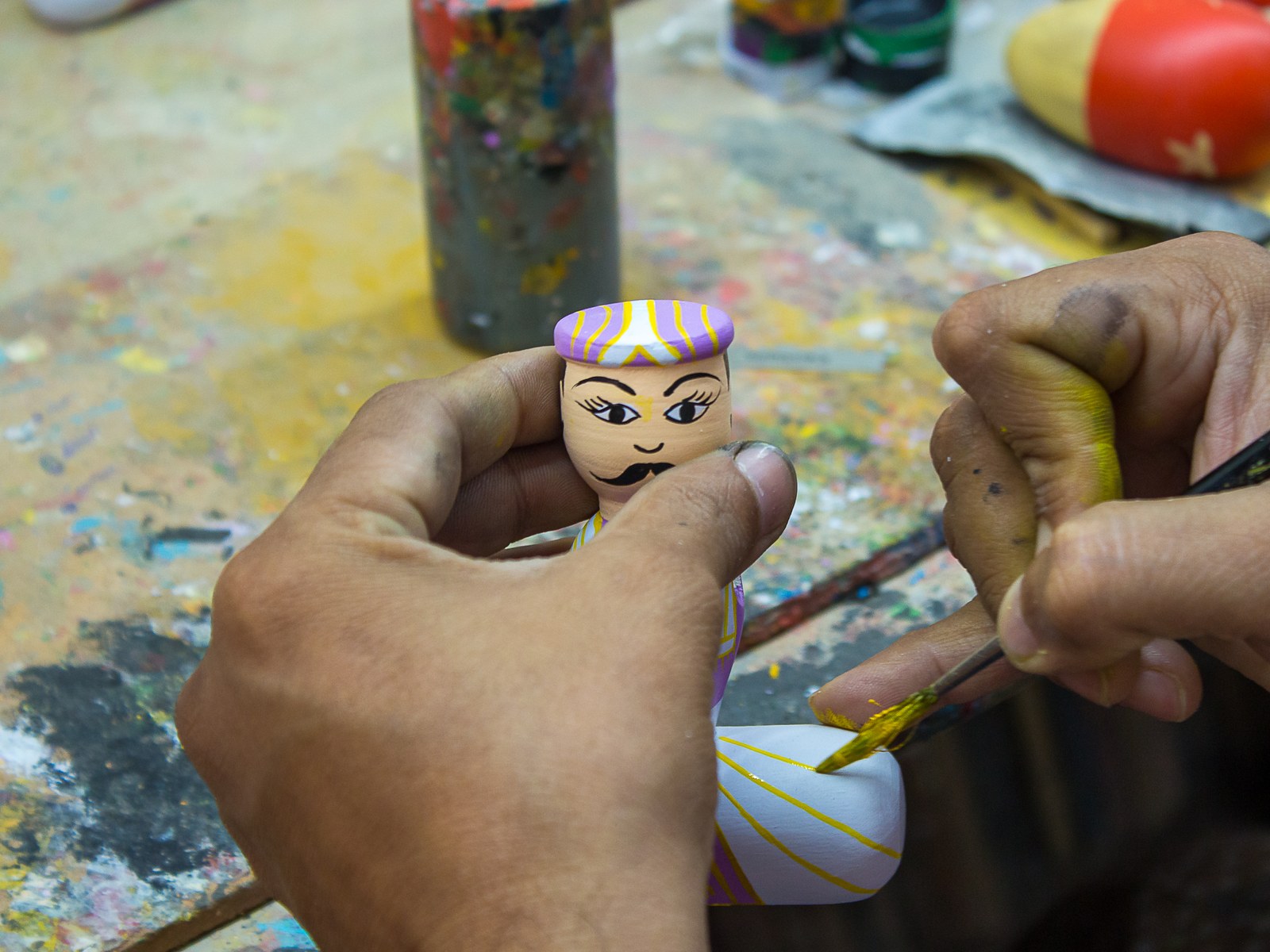 Photo: MaximusPrasad / CC BY-SA
Channapatna Toys
Karnataka · ₹150 - ₹3,000 Photo: Dcrjsr / CC BY-SA