Santiniketan Batik
| GI number | GI Registered · 2026 |
|---|---|
| Verified cooperatives | Producer association pending — see the official GI Journal for authorised users |
| State | West Bengal |
About Santiniketan Batik
Santiniketan Batik is wax-resist dyeing and printing on cloth, made in and around Santiniketan in Birbhum district, West Bengal. Patterns are drawn in molten wax, the fabric is dyed, and the wax blocks the dye where it lies, leaving the design in the original colour. Makers use it for saris, stoles, scarves, dress material and wall hangings, and the look ranges from bold graphic panels to fine, fern-like crackle lines.
Heritage and place
Modern batik in India is widely traced to Santiniketan, where artists linked to Visva-Bharati, among them Jamuna Sen and Gouri Bhanja, developed and taught the technique in the twentieth century after drawing on Indonesian examples. From there it spread across the country. The GI, reported as registered in 2026, ties the name to the Santiniketan tradition, which matters because printed cloth imitating batik is sold everywhere.
How it is made
Cloth is washed and stretched, then a design is drawn in hot wax with a brush or a small spouted tool. Dye is applied and the wax holds it back, and the process can be repeated with lighter colours first and darker ones later. Finally the wax is removed by boiling or by ironing between absorbent paper. Small cracks in the wax let a little dye seep in, which creates the veined texture prized in true batik.
Registry record
Santiniketan Batik is a Geographical Indication tagged product of West Bengal in the textiles category, reported as newly registered in 2026; a confirmed registration number is not yet listed here. The name is legally protected: only producers within the notified region may sell under it. Confirm the entry in the official GI Journal before relying on it commercially.
◈ How to spot a fake Santiniketan Batik
What to check
Look at both sides. Real batik has dye that has soaked through, so the design shows on the reverse, while printed imitations are paler or blank on the back. Fine irregular crackle lines are a good sign, and no two pieces match exactly. The winter Poush Mela in Santiniketan and local craft shops are good places to see makers at work. Because the GI is new, confirm the seller's authorised status in the GI Journal.
- General guidance, not the registered specification: on real batik the dye shows through to the reverse and fine crackle lines appear where the wax cracked, while printed imitations are paler on the back. The registration was reported in 2026, so confirm authorised sellers in the GI Journal.
Where to buy
Authorised producers for this recent registration are not yet listed in our dataset. Check the GI Journal entry for authorised users, and prefer government emporia and cooperatives in West Bengal.
Catalogue record
Catalogue record: GI Registered · 2026 · West Bengal · reviewed
Frequently asked questions
What is the GI registration number of Santiniketan Batik?
Santiniketan Batik was reported as newly registered in 2026. This catalogue does not yet list a confirmed registration number, so check the official GI Journal for the entry.
Where is Santiniketan Batik made?
Santiniketan Batik is produced in West Bengal, in the textiles category of this catalogue.
Can Santiniketan Batik legally be made outside West Bengal?
No. GI protection means only producers within the notified region of West Bengal may legally sell goods under the name “Santiniketan Batik”.
How can I spot a fake Santiniketan Batik?
General guidance, not the registered specification: on real batik the dye shows through to the reverse and fine crackle lines appear where the wax cracked, while printed imitations are paler on the back. The registration was reported in 2026, so confirm authorised sellers in the GI Journal.
From West Bengal and the textiles family
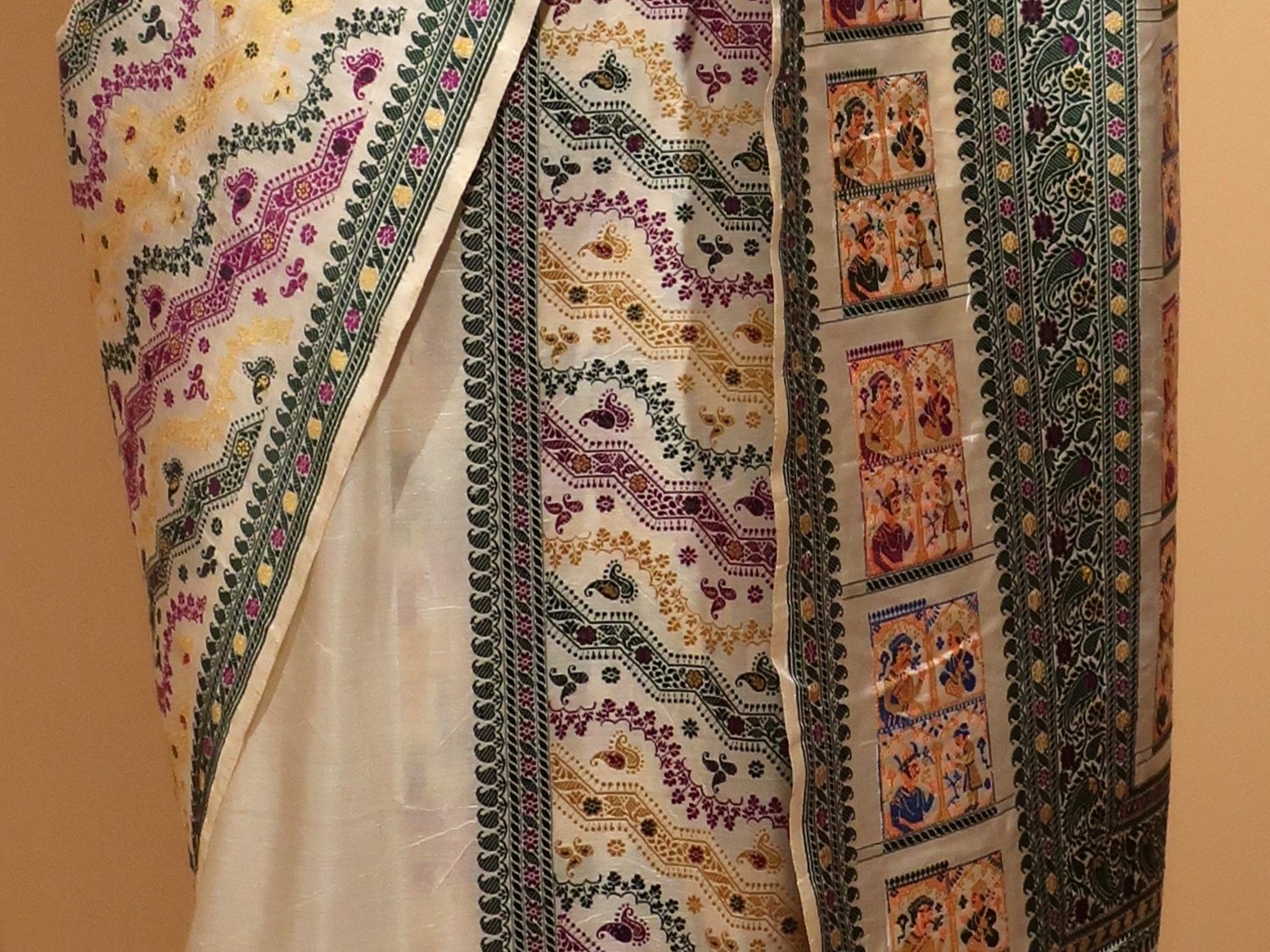 Photo: Hiart / CC BY-SA
Murshidabad Silk
West Bengal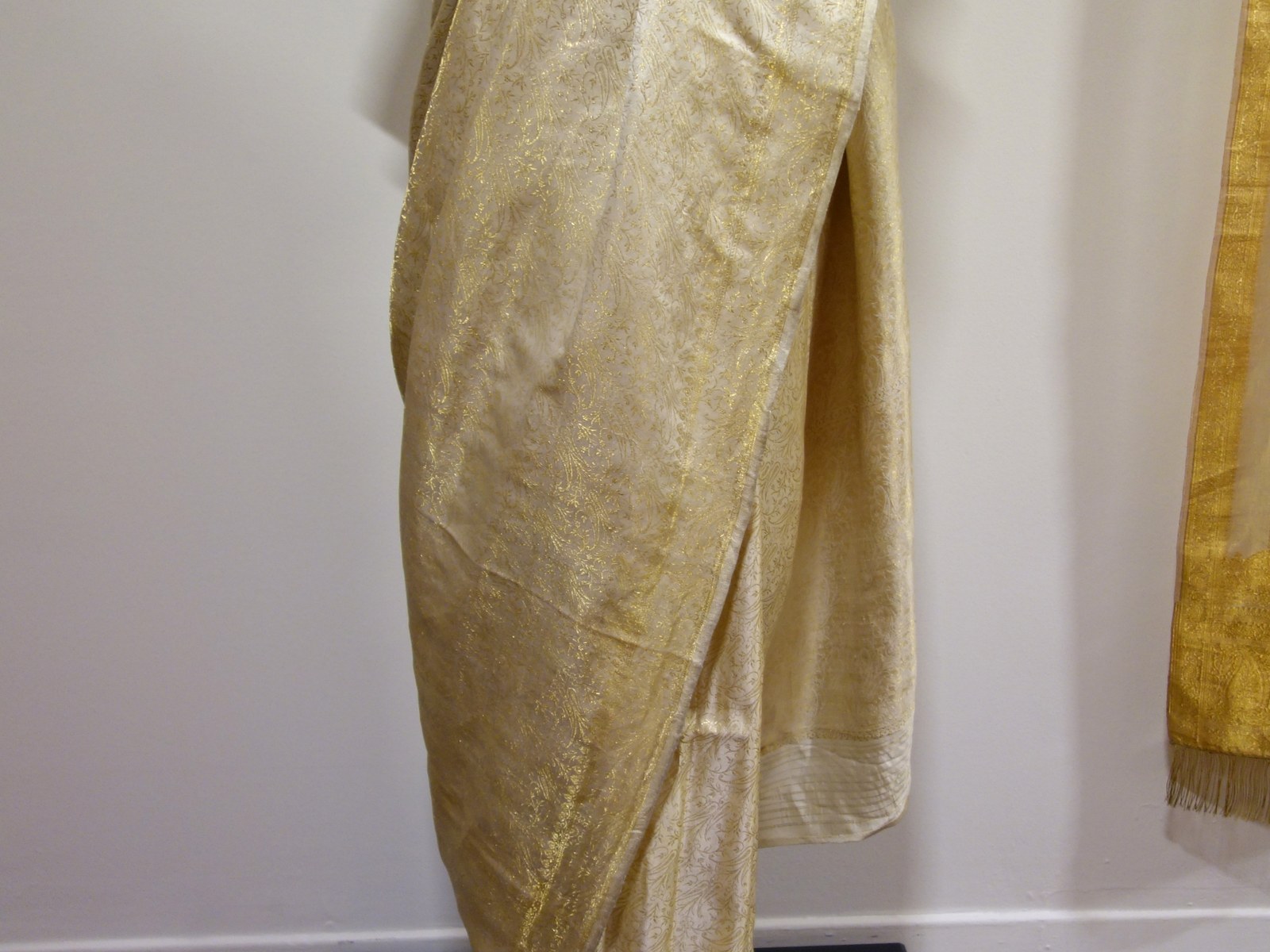 Photo: Daderot / CC BY-SA
Banarasi Saree
Uttar Pradesh · ₹5,000 - ₹2,00,000
Bhagalpur Silk (Tussar)
Bihar Photo: Sourabh.biswas003 / CC BY-SA