Ryndia Silk
| GI number | GI-61 |
|---|---|
| Typical price | ₹5,000 - ₹30,000 |
| Verified cooperatives | Meghalaya Handloom Cooperative Society |
| State | Meghalaya |
About Ryndia Silk
Ryndia Silk is eri silk woven in Meghalaya, where ryndia is the Khasi name for it. Eri, also called peace silk, is spun from the cocoon of a silkworm that can leave before the cocoon is boiled, so the moth is not killed. The fabric is warm, matte and durable, with a soft, wool-like feel, and it is woven into shawls, stoles, jackets and wraps for cool weather.
Heritage and place
Eri silk is part of the traditional textile culture of north-east India, and in Meghalaya it is woven and worn by Khasi and Garo communities. Many households in the Ri-Bhoi district rear eri silkworms on castor leaves, and women spin and weave in their homes. The GI recognises Ryndia as a Meghalaya product and encourages sustainable, ethically produced silk.
How it is made
Silkworms are fed on castor plant leaves, and the cocoons, once the moth has emerged, are boiled lightly and degummed. The fibre is spun by hand on a spindle into a soft yarn, dyed with natural or synthetic colours, and woven on a traditional loom. The finished cloth is often left in natural cream or dyed in earthy colours, and is valued for warmth in the hills.
Registry record
Ryndia Silk is listed in this catalogue as GI-61, a Geographical Indication tagged product of Meghalaya in the handicrafts category. The name is legally protected: only producers within the notified region may sell under it. Confirm the entry in the official GI Journal before relying on it commercially.
◈ How to spot a fake Ryndia Silk
What to check
Real ryndia has a soft, slightly fuzzy texture and a matte, warm-toned appearance, unlike the shiny surface of mulberry silk. It feels warm and has small slubs in the yarn. Check for handloom tags and ask about the fibre's origin. Buy from cooperatives, Meghalaya's government emporia and craft fairs, and wash gently by hand with mild detergent to protect the natural fibre.
- Eco-friendly Ahimsa silk processed without killing silkworms. Has a rich texture resembling warm cotton-wool blends.
Price to expect
Genuine Ryndia Silk typically sells in the range of ₹5,000 - ₹30,000. Prices far below that range are a common sign of an imitation.
Where to buy
Look for authorised sellers such as Meghalaya Handloom Cooperative Society, or government emporia and cooperatives in Meghalaya.
Catalogue record
Catalogue record: GI-61 · Meghalaya · reviewed
Frequently asked questions
What is the GI registration number of Ryndia Silk?
This catalogue lists Ryndia Silk as GI-61. Registration numbers should be confirmed against the official GI Journal before commercial use.
Where is Ryndia Silk made?
Ryndia Silk is produced in Meghalaya, in the handicrafts category of this catalogue.
Can Ryndia Silk legally be made outside Meghalaya?
No. GI protection means only producers within the notified region of Meghalaya may legally sell goods under the name “Ryndia Silk”.
What does genuine Ryndia Silk cost?
Genuine Ryndia Silk typically sells in the range of ₹5,000 - ₹30,000. Prices far below this range are a common sign of an imitation.
How can I spot a fake Ryndia Silk?
Eco-friendly Ahimsa silk processed without killing silkworms. Has a rich texture resembling warm cotton-wool blends.
Where should I buy genuine Ryndia Silk?
Look for authorised sellers such as Meghalaya Handloom Cooperative Society, or government emporia and cooperatives in Meghalaya.
From Meghalaya and the handicrafts family
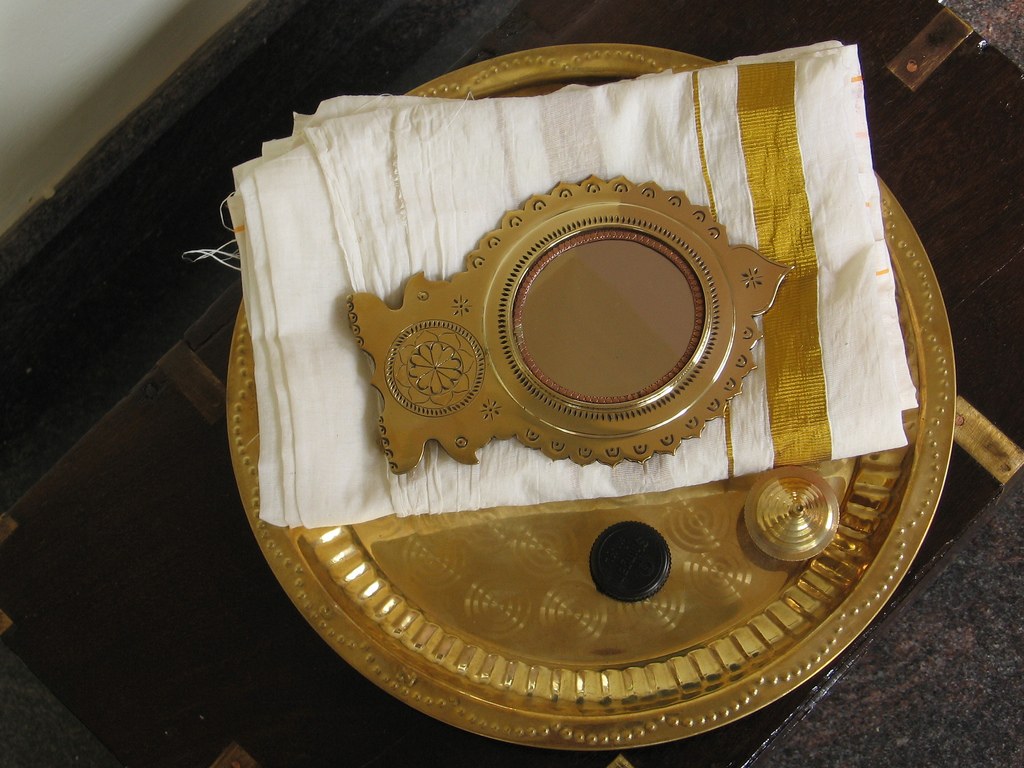 Photo: Rajesh Nair from Bangalore, India / CC BY-SA
Aranmula Kannadi
Kerala · ₹3,000 - ₹1,50,000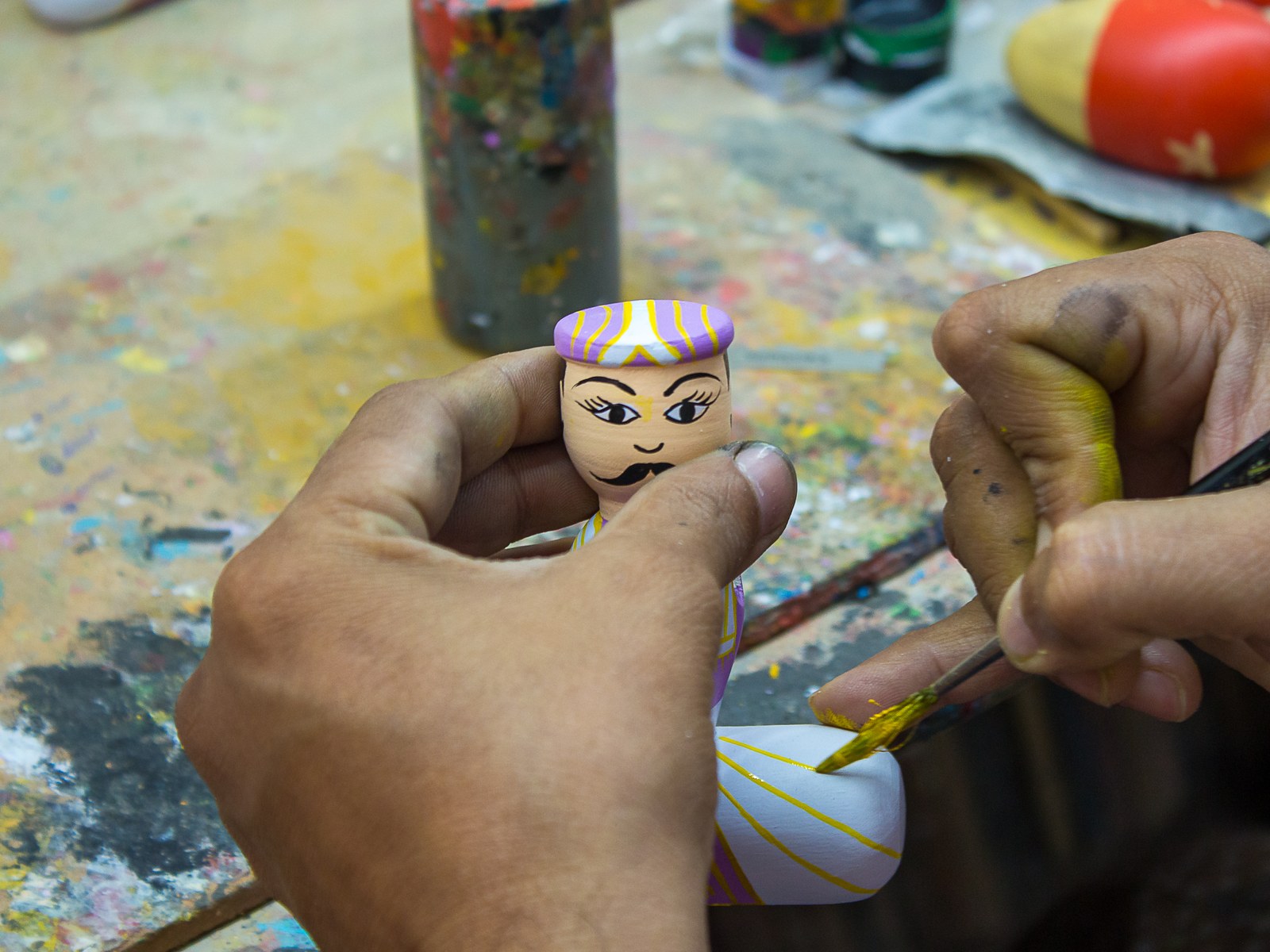 Photo: MaximusPrasad / CC BY-SA
Channapatna Toys
Karnataka · ₹150 - ₹3,000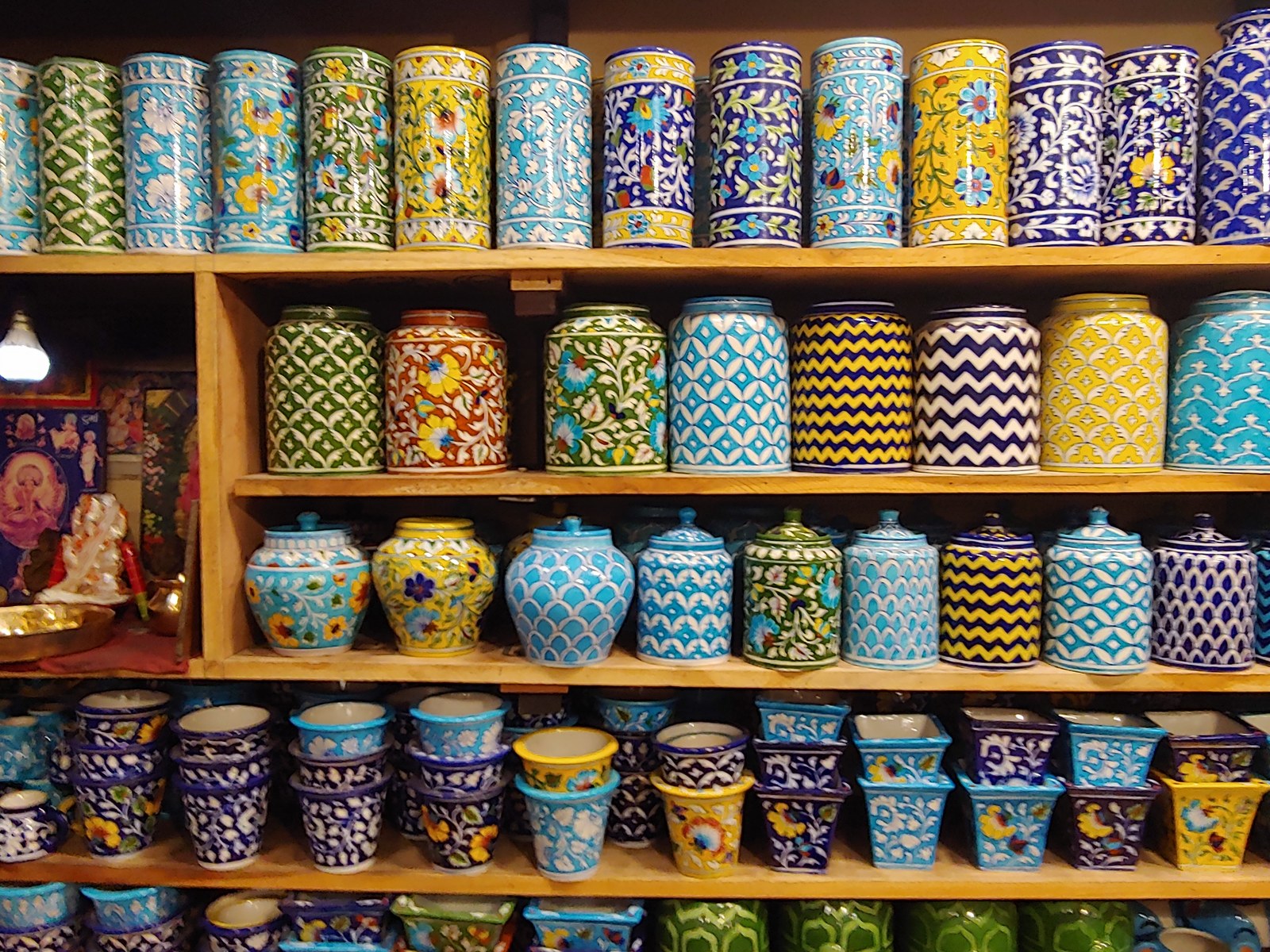 Photo: Atcelsius / CC BY-SA
Jaipur Blue Pottery
Rajasthan · ₹150 - ₹10,000