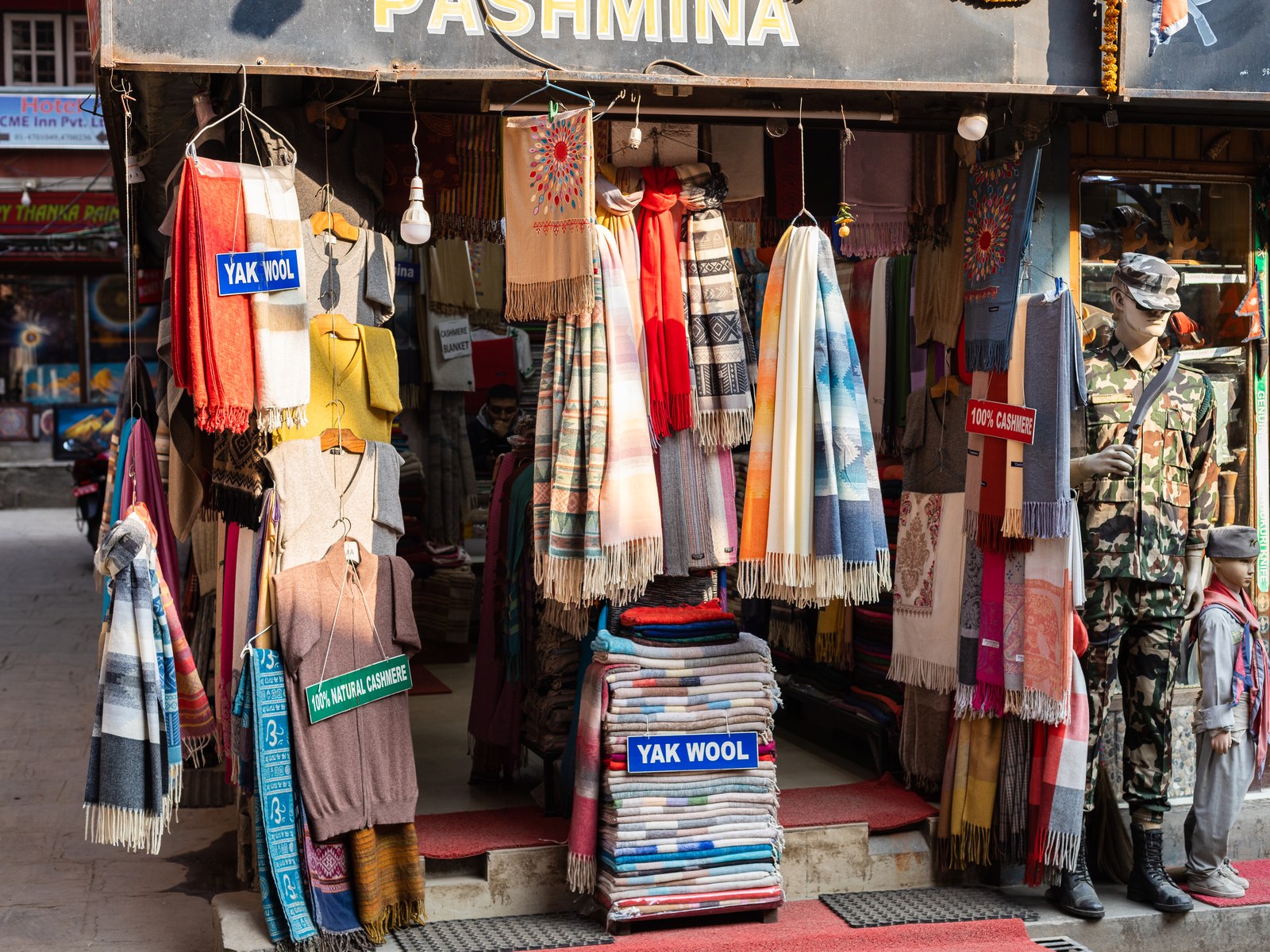
Photo: Bijay Chaurasia / Wikimedia Commons, CC BY-SA 4.0

Kashmir Pashmina
Hand-spun, hand-woven cashmere from the Changthangi goat — fibre finer than 16 microns.
| GI number | GI-36 |
|---|---|
| Registered | |
| Goods class | 23, 24, 25 |
| Typical price | ₹10,000 - ₹1,00,000+ |
| Proprietor | TAHAFUZ / Craft Dev. Institute, Srinagar |
| State | Jammu & Kashmir |
The story
True Pashmina begins at 14,000 feet on the Changthang plateau, where the Changra goat grows an undercoat finer than 16 microns to survive −40°C winters. The fibre is too delicate for power machinery: it must be spun on the yinder (spinning wheel) and woven by hand in the Kashmir valley. The GI certification, backed by lab testing, is the only reliable defence against 'pashmina' labels on ordinary cashmere and viscose blends.
How it is made
- Raw fleece is combed (never shorn) from Changthangi goats each spring.
- De-hairing separates the fine undercoat from guard hairs.
- Hand-spinning on the yinder produces yarn no machine can match for softness.
- Hand-weaving on traditional looms; a plain shawl takes 3–5 days, a Kani months.
- Washing in spring water and hand-finishing.
◈ How to identify the authentic Kashmir Pashmina
What to check
- Genuine items carry the Pashmina GI mark with a testable fibre certificate (<16 micron).
- Irregular, organic weave texture under light — machine cloth is too perfect.
- Warmth-to-weight ratio: a 200g shawl that genuinely keeps out winter.
- Burn test of a fringe thread smells of burnt hair, never plastic.
Hand-spun from 12-to-15 micron Changthangi goat fibers. Extremely soft and weightless. Does not cause skin irritation or sweat odor.
Price to expect
Genuine Kashmir Pashmina typically sells in the range of ₹10,000 - ₹1,00,000+. Prices far below that range are a common sign of an imitation.
Where to buy
Look for authorised sellers such as J&K Handloom Development Corporation, or government emporia and cooperatives in Jammu & Kashmir.
Registry record
Registry record: GI-36 · Registered 2008 · Proprietor: TAHAFUZ / Craft Dev. Institute, Srinagar
Region and market
The Changthangi goat, raised by nomads on the high Changthang plateau in Ladakh, produces the raw fibre, which is transported to Srinagar for spinning, weaving and finishing. The trade supports both herders and valley artisans. Fibre diameter, often below about 16 microns, is the key quality marker, and the gap between genuine pashmina and cheaper wool or viscose blends is wide enough that labelling is a constant issue.
Buying guide
Insist on a GI-labelled shawl with a fibre certificate, and be wary of low prices for supposedly hand-woven pieces. Genuine pashmina feels soft yet warm, drapes easily and has a slightly irregular hand-spun texture. A quick burn test on a loose thread smells like hair rather than plastic. Buy from reputable Kashmir emporia or certified dealers, and store folded with lavender or cedar to protect the fibre.
Frequently asked questions
What is the GI registration number of Kashmir Pashmina?
This catalogue lists Kashmir Pashmina as GI-36. Registration numbers should be confirmed against the official GI Journal before commercial use.
Where is Kashmir Pashmina made?
Kashmir Pashmina is produced in Jammu & Kashmir, in the textiles category of this catalogue.
Can Kashmir Pashmina legally be made outside Jammu & Kashmir?
No. GI protection means only producers within the notified region of Jammu & Kashmir may legally sell goods under the name “Kashmir Pashmina”.
What does genuine Kashmir Pashmina cost?
Genuine Kashmir Pashmina typically sells in the range of ₹10,000 - ₹1,00,000+. Prices far below this range are a common sign of an imitation.
How can I spot a fake Kashmir Pashmina?
Hand-spun from 12-to-15 micron Changthangi goat fibers. Extremely soft and weightless. Does not cause skin irritation or sweat odor.
Where should I buy genuine Kashmir Pashmina?
Look for authorised sellers such as J&K Handloom Development Corporation, or government emporia and cooperatives in Jammu & Kashmir.
From Jammu & Kashmir and the textiles family
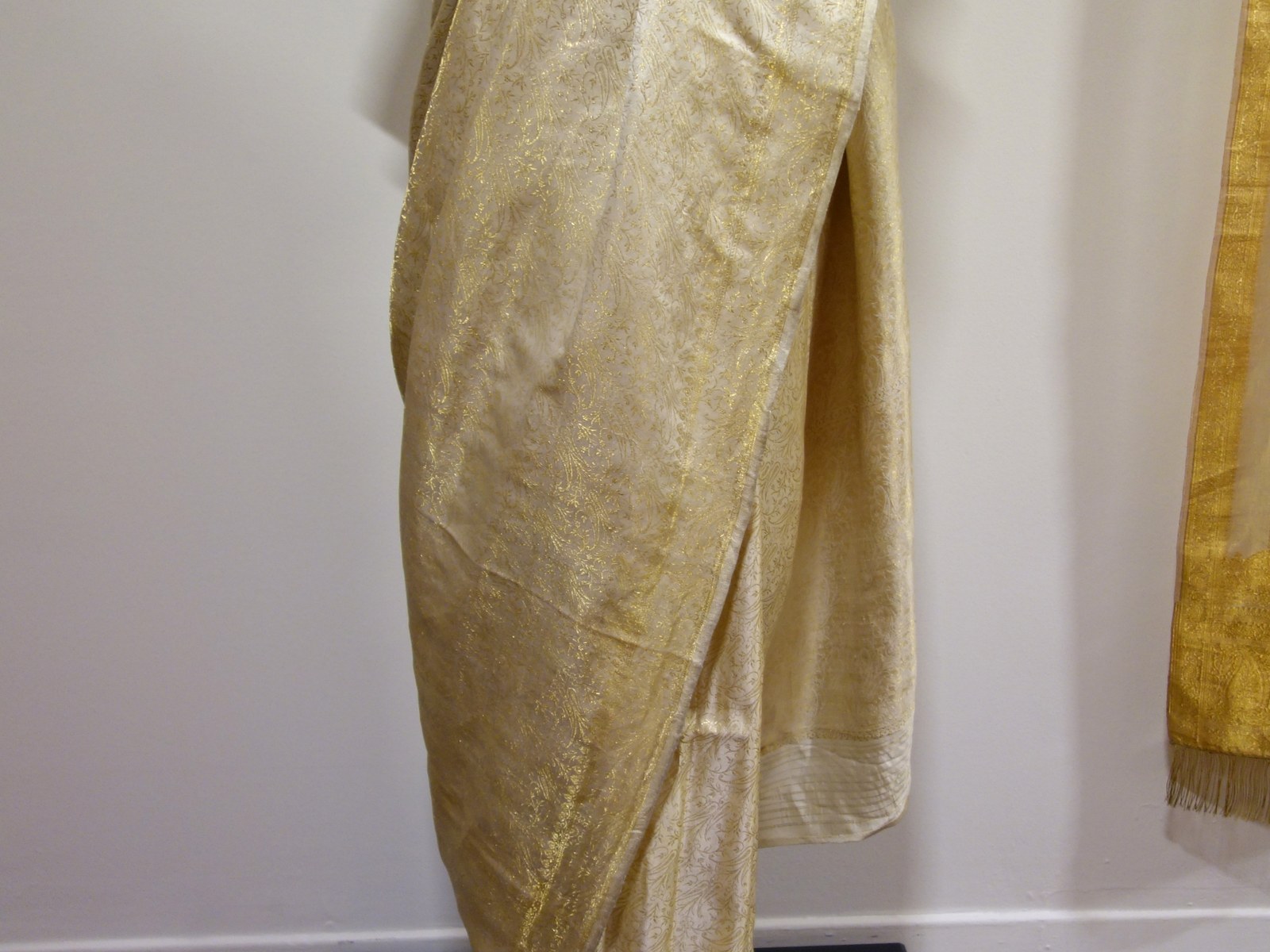 Photo: Daderot / CC BY-SA
Banarasi Saree
Uttar Pradesh · ₹5,000 - ₹2,00,000
Bhagalpur Silk (Tussar)
Bihar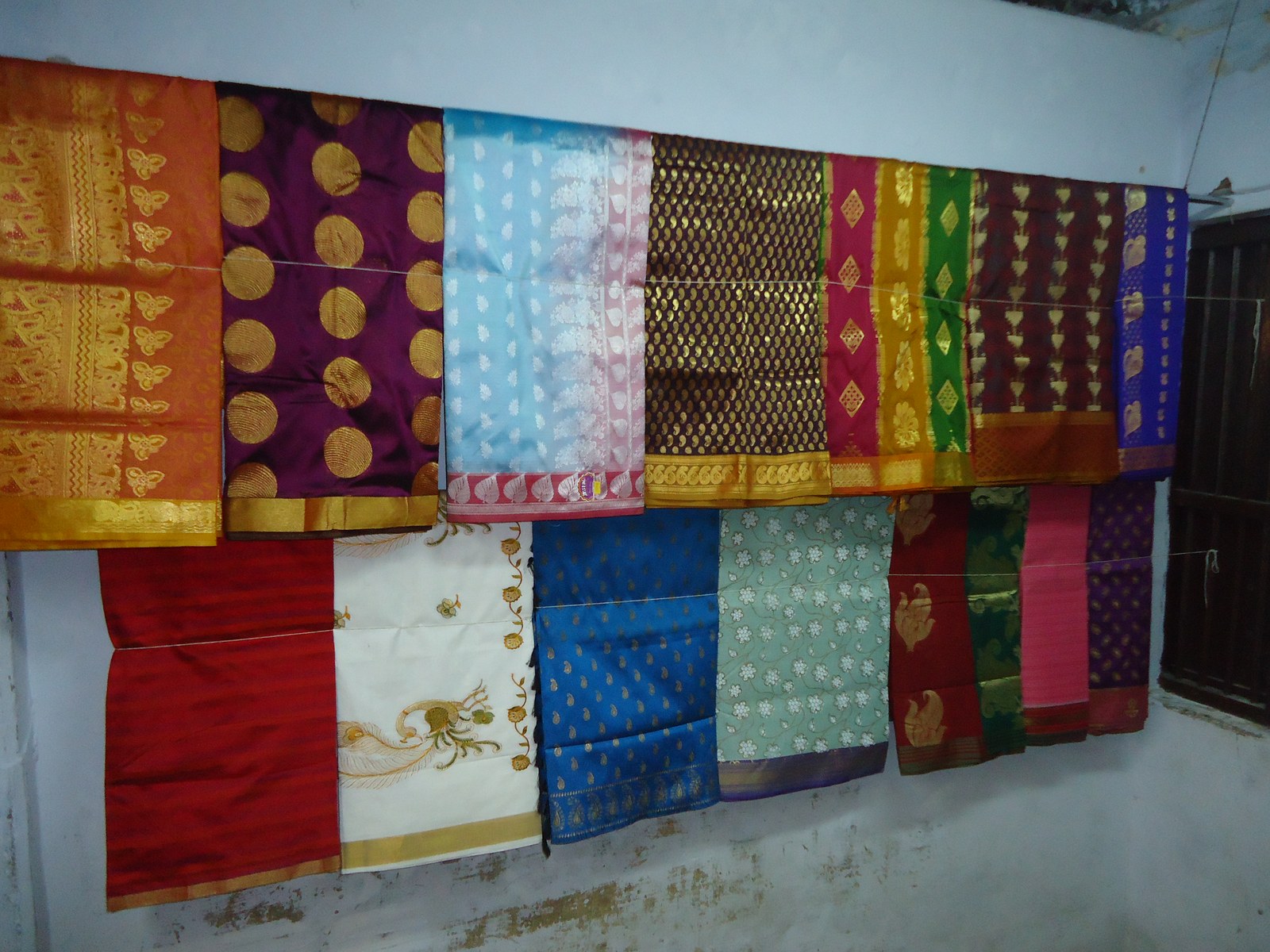 Photo: రహ్మానుద్దీన్ / CC BY-SA
Kanchipuram Silk Saree
Tamil Nadu · ₹8,000 - ₹3,00,000